Learn Full Stack Development
(MERN or Python)
Launch your tech career with our comprehensive Full Stack Development programs. Learn to build end-to-end web applications using industry-standard tools and technologies through hands-on training and expert mentorship.
Full Stack Development Training with Job Support
Our Full Stack Development Course offers a dual-track curriculum covering both MERN Stack and Python Full Stack, giving you the flexibility to choose the right path based on your career goals.
Learn how to create dynamic and user-friendly web applications using JavaScript frameworks. Develop the skills to build, manage, and launch modern websites by mastering both front-end and back-end technologies.
Gain hands-on experience in developing scalable and secure applications using Python Stack and MERN Stack and its powerful frameworks. Build a solid foundation in database management, API development, and deployment.
Whether you aim to excel as a Frontend Developer, Backend Developer, or Full Stack Developer, our full stack web developer course in Hyderabad equips you with the expertise to thrive in today’s tech-driven world.
Join one of India’s Best Full Stack Web Developer Course and take the first step toward a successful career in technology.

Our Hiring Partners







































Tools & Platforms






Curriculum Highlights
MERN Stack Development Syllabus
Module 1: HTML
- HTML intro basic
- Tags and Elements
- Headings
- Paragraphs
- Block and inline elements
- Tag Attributes
- Lists and Tables
- Forms
- Buttons
Module 2: CSS
• Color (all 3 methods)
• CSS Selectors
• Colors in CSS
• CSS Box Model
• Margin and Padding Shorthand, and Borders
• Text Formatting Styles
• Alignment and Floating
• Positioning in CSS
• Setting Images As Element Background & other property
• Pseudo Classes
• Flex box, Grids and Positions
• CSS Animations
• CSS Transformation
Responsive designs with media query
Module 3: Bootstrap
• Introduction
• Layout – Breakpoints, Container, Grid, column, rows
• Content – typography, images, table
• Forms – overview, form control, select, check & radios, validations
• Components – Buttons, Card, Carousel, Dropdown, Navbar, Pagination, popover, progress
• Utilities – Background, border, colors, display, flex, position, sizing
Module 4: JavaScript
• Fundamentals – variables, data types, type conversions, basic operators, comparisons, logical operators
• Loops – while, for, do while
• Conditional statement, switch
• Arrays and pop(), push(), shift(), unshift()
• Functions & function expressions & first class function
• Object
- RegEx
- OOps
- JS validations
- Error handling
ES6
• Let, const
• Arrow functions
• Array methods – forEach(), map(), reduce(), filter(), slice(), splice()
• Destructuring Object and Array
• Spread Operator vs Rest Operator
• Template literals
• for/in and for/of loop
• Promises, async/await
• setTimeout(), setInterval()
• JavaScript classes & OOPs
• Javascript – Excecution context
• Call stack
• Hoisting
• window & this keyword
• scope chain, lexical environment
• Temporial dead join
• Block scope & shadowing
• Closure
• Event loops
DOM
• Finding HTML elements – getElementById(), getElementByClassName(), getElementsByTagName(), querySelector(), querySelectorAll()
• Changing HTML elements
• Adding and Delete elements
• DOM events – onclick(), onchange(), onsubmit(), onload()
Making API call
• 1- Using fetch()
• 2 – Using axios() AJAX
• Ajax intro, How AJAX works ?
• XMLHttpRequest
• AJAX request/response
• API with AJAX
jQuery
• Selectors
• Methods
• Events – click, submit, change, select, focus, load..
• Effects – hide, show, toggle, delay
• Traversing
Module 5: Data Structure and Algorithm
Arrays – Insertion, Searching, Traverse, Deletion, Target sum
• Strings
• Bit Manipulation
• Searching and Sorting – linear & binary search, Bubble, Selection, Insertion, Merge, Quick sort
• Recursion and Backtracking
• Hashing
• Stacks – LIFO, push() & pop(), seek()
• Queues – FIFO, enQueue & deQueue, circular queue
Linked List – Insertion, deletion, midpoint, cycle detection
• Trees – Tree Traversal, Binary Tree, Balance Binary tree, AVL tree
• Heaps
• Greedy Programming – Prim’s, Huffman, Dijkstra Algorithm
• Dynamic Programming – maximum subArray sum, longest common subsquence …
• Graphs – Adjacency list, BFS , DFS algorithm
Module 6: React JS
• Components – class & functional components
• JSX
• Props & State
• useState
• useEffect
• Component Life cycle methods
• Pure component
• Conditional rendering
• List & keys
• Form handling & validation
• High Order component
• API calls – axios & fetch Hooks
• useContext
• useReducer
• useRef
• useMemo
• useCallback
• Custom Hook
State management library – Redux
Module 7: Node.js & Express
• Introduction to Node.js ( Node Architecture, How Node Works, Installing Node )
• Modules: Built-in and custom & promises & event emitters
• NPM packages
• Introduction To Express & use of it
• Different HTTP methods (GET, POST, PUT ,DELETE, HEAD) and diff and then use what?
• Defining routes in EJS and setting an END point in the nodes and
• handling the request and response object
• Middleware
• Security of API end points
JWT token
• Authentication and authorization
• Building a simple REST API with NodeJS and Express.
Module 8: Mongo DB
• Database and its kind
• Difference between sql & nosql
• Introduction to MongoDB, Importing, Exporting & Querying data
• Creating & Manipulating Documents
• Advanced CRUD operations
• Indexing & Aggregation pipeline
• Building a Simple Web Application With Node, Express & MongoDB
• Library of mongoDB using mongoose to setup the link b/w code and database
• Doing all CRUD operation on Database using API
Module 9: Version Control
• Introduction to Version Control
• Introduction to Git and GitHub
• Centralized and Distributed Version Control System
• Git Basics
• Forking
• Cloning
• Making changes to Local Repositories
• Committing and Branching
• Collaborating with Multiple Developers
Module 10: Live Deployment and Capstone Project Capstone Projects
- Food Ordering Application
- Blogging Web Application
- Social Media Web Application
- Ecommerce Application
Python Full Stack Development Syllabus
Module 1: HTML
- HTML intro basic
- Tags and Elements
- Headings
- Paragraphs
- Block and inline elements
- Tag Attributes
- Lists and Tables
- Forms
- Buttons
Module 2: CSS
• Color (all 3 methods)
• CSS Selectors
• Colors in CSS
• CSS Box Model
• Margin and Padding Shorthand, and Borders
• Text Formatting Styles
• Alignment and Floating
• Positioning in CSS
• Setting Images As Element Background & other property
• Pseudo Classes
• Flex box, Grids and Positions
• CSS Animations
• CSS Transformation
Responsive designs with media query
Module 3: Bootstrap
• Introduction
• Layout – Breakpoints, Container, Grid, column, rows
• Content – typography, images, table
• Forms – overview, form control, select, check & radios, validations
• Components – Buttons, Card, Carousel, Dropdown, Navbar, Pagination, popover, progress
• Utilities – Background, border, colors, display, flex, position, sizing
Module 4: JavaScript
• Fundamentals – variables, data types, type conversions, basic operators, comparisons, logical operators
• Loops – while, for, do while
• Conditional statement, switch
• Arrays and pop(), push(), shift(), unshift()
• Functions & function expressions & first class function
• Object
- RegEx
- OOps
- JS validations
- Error handling
ES6
• Let, const
• Arrow functions
• Array methods – forEach(), map(), reduce(), filter(), slice(), splice()
• Destructuring Object and Array
• Spread Operator vs Rest Operator
• Template literals
• for/in and for/of loop
• Promises, async/await
• setTimeout(), setInterval()
• JavaScript classes & OOPs
• Javascript – Excecution context
• Call stack
• Hoisting
• window & this keyword
• scope chain, lexical environment
• Temporial dead join
• Block scope & shadowing
• Closure
• Event loops
DOM
• Finding HTML elements – getElementById(), getElementByClassName(), getElementsByTagName(), querySelector(), querySelectorAll()
• Changing HTML elements
• Adding and Delete elements
• DOM events – onclick(), onchange(), onsubmit(), onload()
Making API call
• 1- Using fetch()
• 2 – Using axios() AJAX
• Ajax intro, How AJAX works ?
• XMLHttpRequest
• AJAX request/response
• API with AJAX
jQuery
• Selectors
• Methods
• Events – click, submit, change, select, focus, load..
• Effects – hide, show, toggle, delay
• Traversing
Module 5: Data Structure and Algorithm
Arrays – Insertion, Searching, Traverse, Deletion, Target sum
• Strings
• Bit Manipulation
• Searching and Sorting – linear & binary search, Bubble, Selection, Insertion, Merge, Quick sort
• Recursion and Backtracking
• Hashing
• Stacks – LIFO, push() & pop(), seek()
• Queues – FIFO, enQueue & deQueue, circular queue
Linked List – Insertion, deletion, midpoint, cycle detection
• Trees – Tree Traversal, Binary Tree, Balance Binary tree, AVL tree
• Heaps
• Greedy Programming – Prim’s, Huffman, Dijkstra Algorithm
• Dynamic Programming – maximum subArray sum, longest common subsquence …
• Graphs – Adjacency list, BFS , DFS algorithm
Module 6: React JS
• Components – class & functional components
• JSX
• Props & State
• useState
• useEffect
• Component Life cycle methods
• Pure component
• Conditional rendering
• List & keys
• Form handling & validation
• High Order component
• API calls – axios & fetch Hooks
• useContext
• useReducer
• useRef
• useMemo
• useCallback
• Custom Hook
State management library – Redux
Module 7: Python
Introduction to Python
Overview of Python and its applications
Installing Python and setting up the development environment
Python Basics
Variables, data types, and operators
Input and output functions
Comments and indentation
Control Structures
Conditional statements (if, elif, else)
Loops (for and while)
Break and continue statements
Functions and Modules
Defining and calling functions
Parameters, return values, and scope
Using Python’s built-in modules
Working with Data
Lists, tuples, and dictionaries
String manipulation
Basic file handling
Error Handling
Try, except, and finally blocks
Common Python errors and debugging tips
Module 8: Django | Flask | Fast API
Django Basics
- Setup and MVT architecture
- URL routing, views, and templates
- Models, migrations, and Django ORM
- Admin panel, forms, and validation
- Static files and deployment
Flask Basics
- Setup and creating the first app
- Routing, templates (Jinja2), and requests
- Flask-SQLAlchemy and CRUD operations
- Using extensions and deployment
FastAPI Basics
- Setup and creating APIs
- Path operations, query parameters, and responses
- Pydantic models and database integration
- Authentication (JWT) and deployment
Module 9: Version Control
• Introduction to Version Control
• Introduction to Git and GitHub
• Centralized and Distributed Version Control System
• Git Basics
• Forking
• Cloning
• Making changes to Local Repositories
• Committing and Branching
• Collaborating with Multiple Developers
Module 10: Live Deployment and Capstone Project Capstone Projects
- Food Ordering Application
- Blogging Web Application
- Social Media Web Application
- Ecommerce Application
Tools & Platforms

Learning Outcomes & Benefits of Full Stack Development
Implement secure API access using JWT-based authentication
Seamlessly integrate frontend and backend for smooth communication
Validate and document APIs with tools like Postman and Swagger
Host your applications on platforms such as Vercel, Netlify, or AWS
Build intuitive, mobile-friendly, and responsive UI designs
Manage data efficiently with SQL & NoSQL database systems
Stay updated with modern development standards and current tech practices
Create real-world applications to strengthen your portfolio and experience
Real-World, Industry-Focused Projects
E-Commerce Platform
A full-fledged e-commerce website with secure payment integration, real-time order tracking, and AI-powered recommendations.
Social Media App
A feature-rich social networking app with user authentication, posts, comments, likes, and real-time chat functionality.
Job Portal
A job listing and recruitment platform with resume uploads, job applications, and employer dashboards.
Online Learning Platform
An e-learning system with video streaming, quizzes, and student-teacher interaction features.
Hospital Management System
A healthcare web app for appointments, patient records, and doctor management powered by AI.
Real-Time Task Manager
A collaborative project management tool with task assignments, deadlines, and progress tracking.
Program highlights

PROJECT-BASED LEARNING APPROACH
Build real-world web applications by solving practical problems while mastering full stack development concepts step by step.

INDUSTRY-GRADE CAPSTONE PROJECT
Work on a comprehensive full stack project aligned with industry requirements to demonstrate end-to-end development skills.

TECH & DEVELOPER CONCLAVE
Interact with experienced developers and tech leaders during our offline networking event and expand your professional network.

LIVE INTERACTIVE ONLINE SESSIONS
Learn through engaging live classes from anywhere and get real-time mentorship during scheduled doubt-clearing sessions.

MODERN STACK–ENABLED CURRICULUM
Stay industry-ready with an up-to-date curriculum covering MERN or Python stacks, tools, and best practices.

COMPLETE CAREER ASSISTANCE
Receive dedicated career support including resume building, interview preparation, and access to hiring partners.
Innomatics Placement Achievers
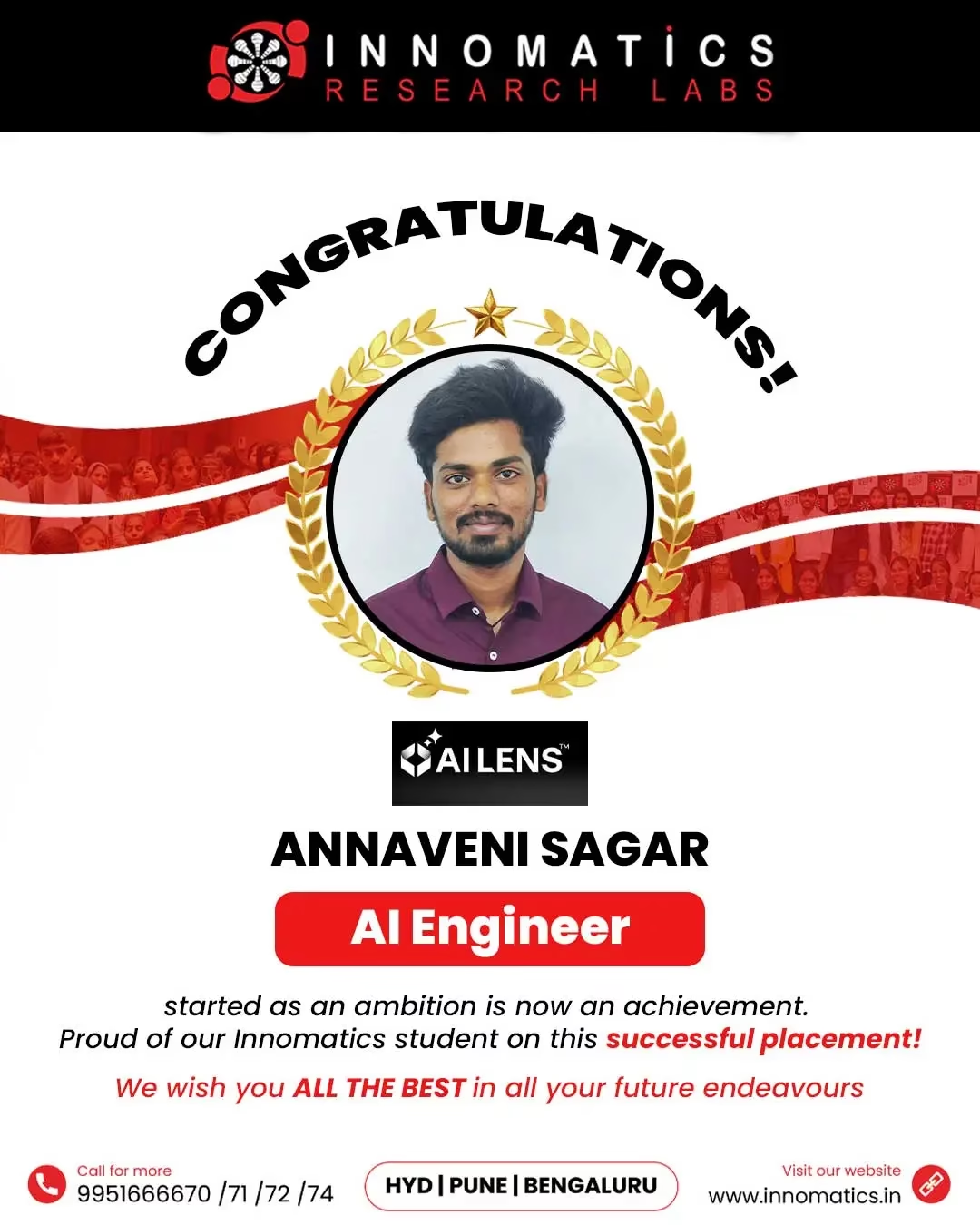
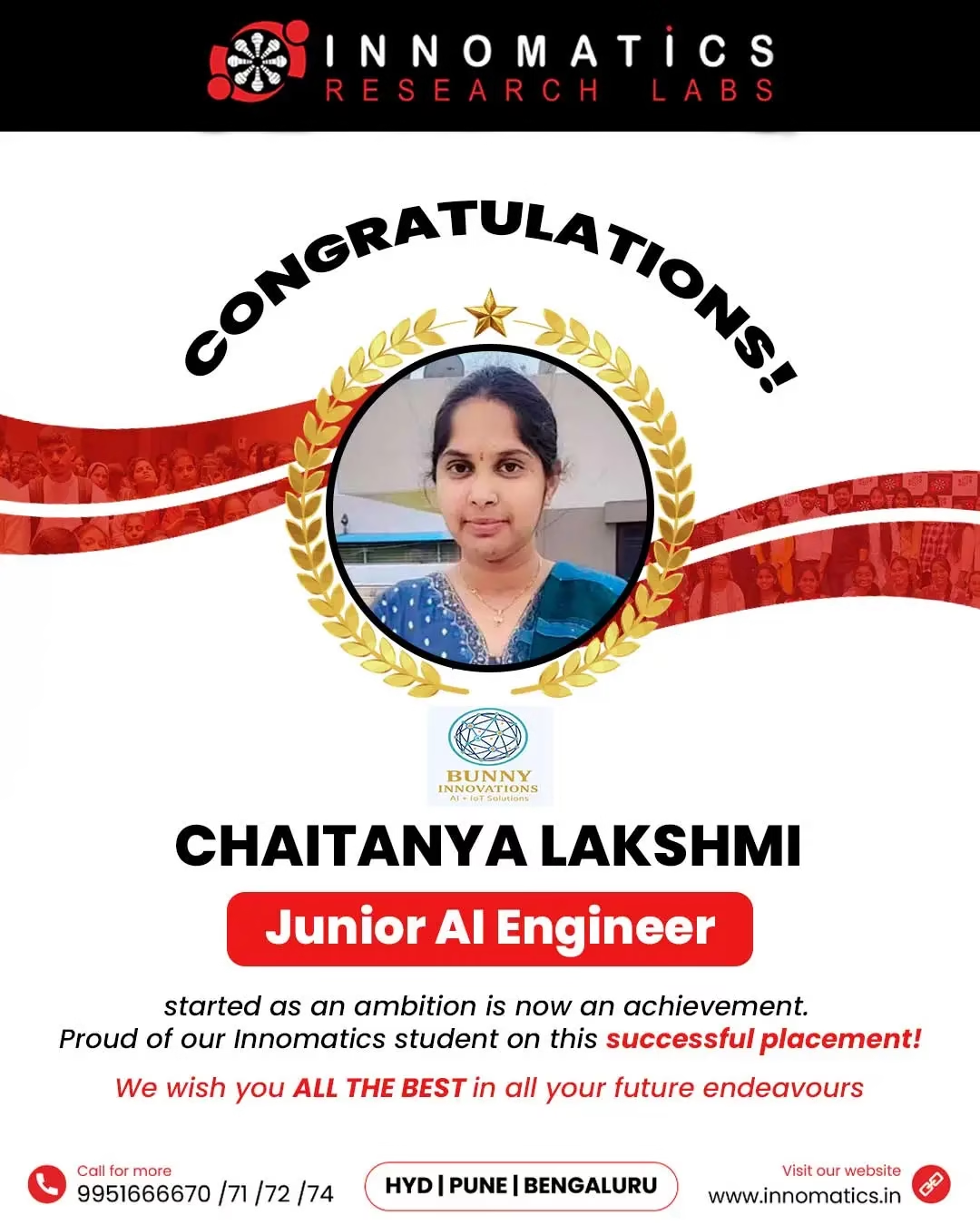
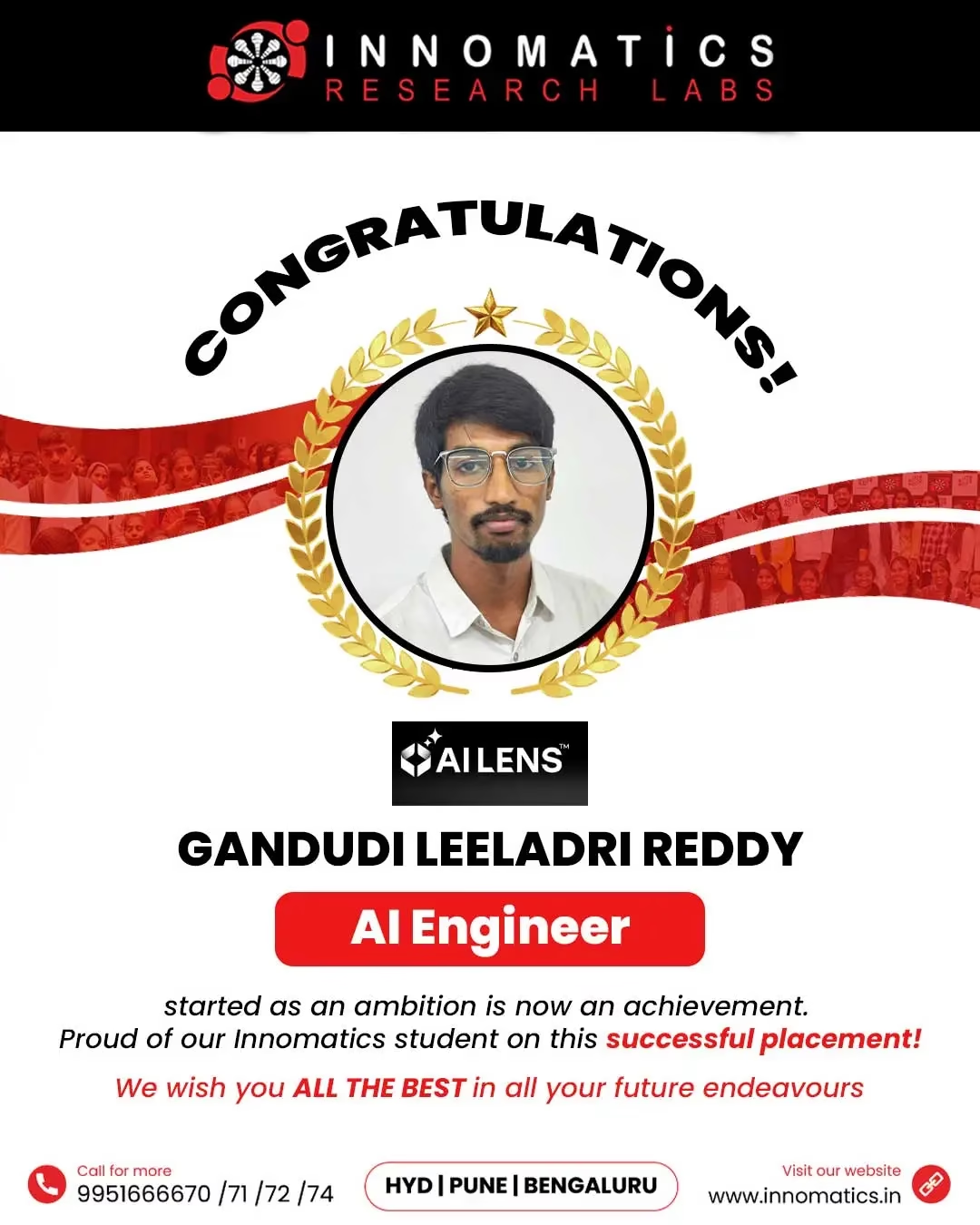
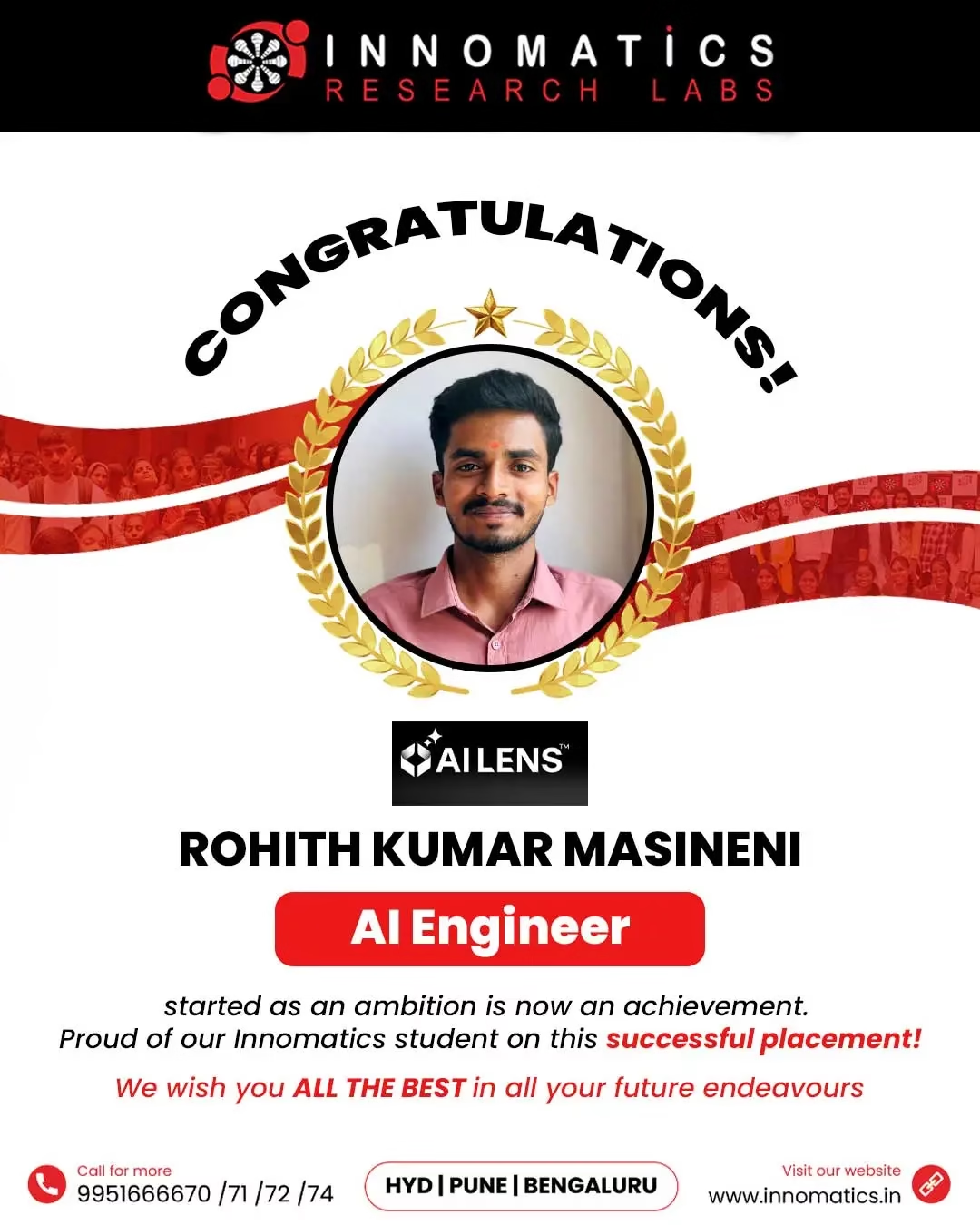
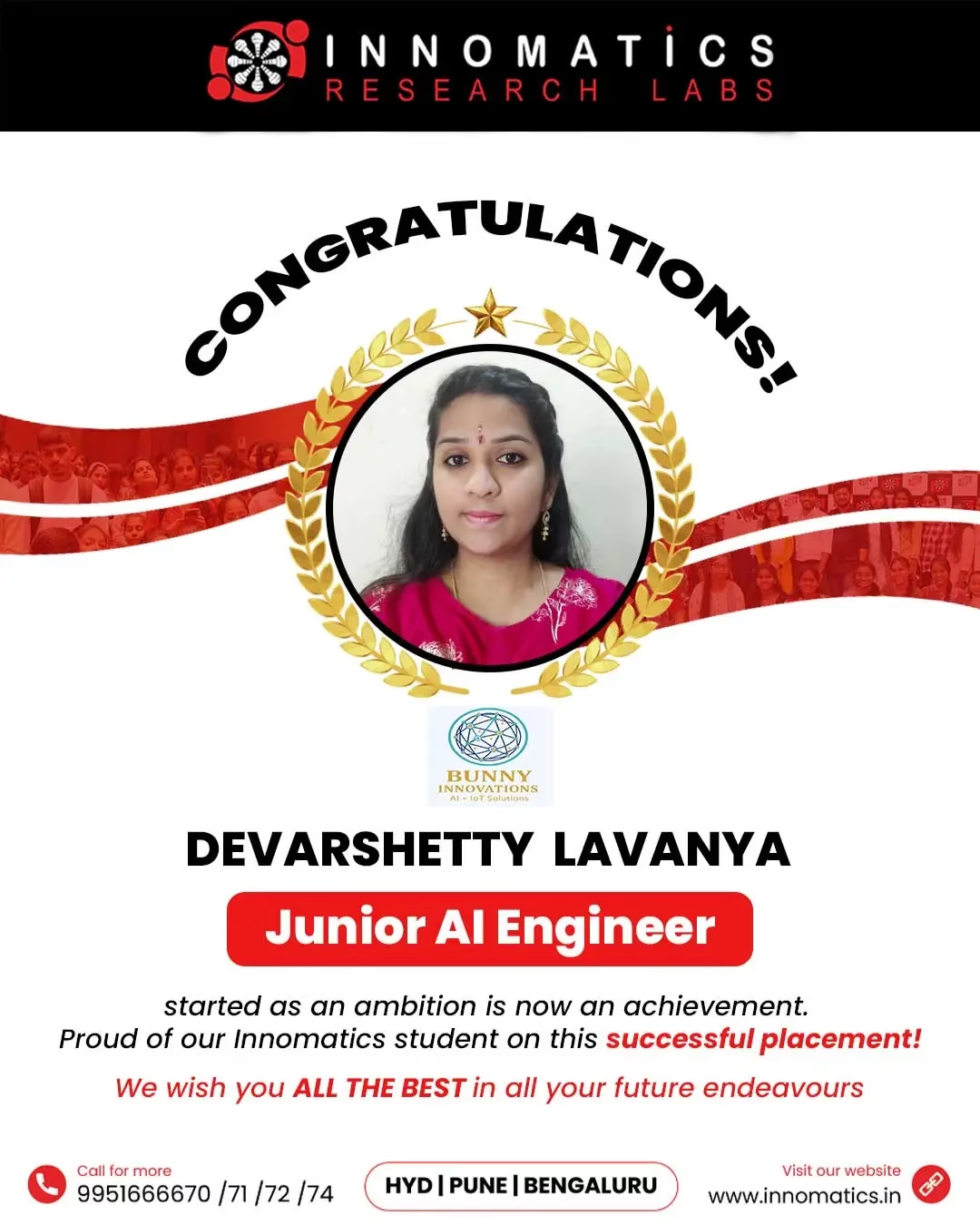

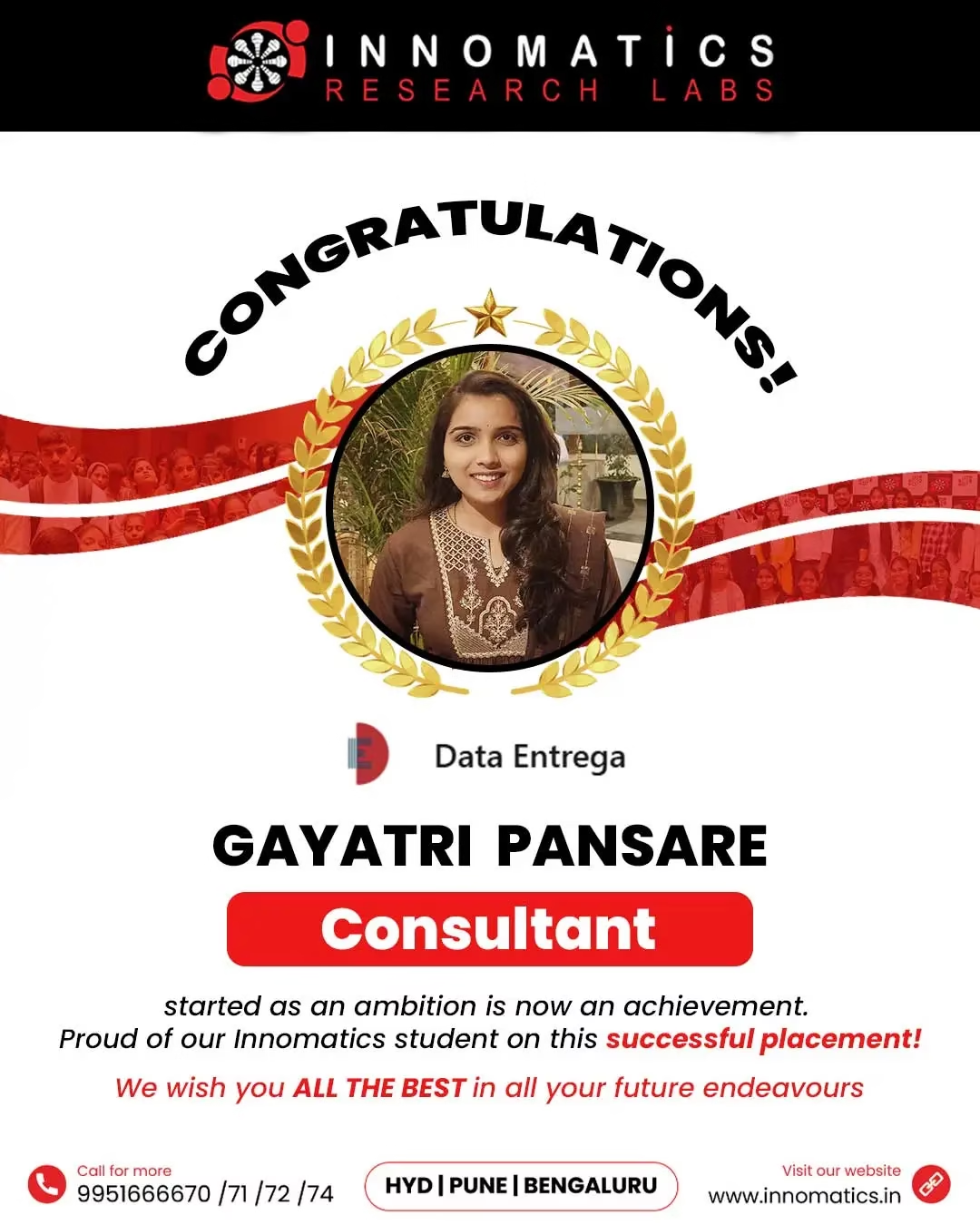
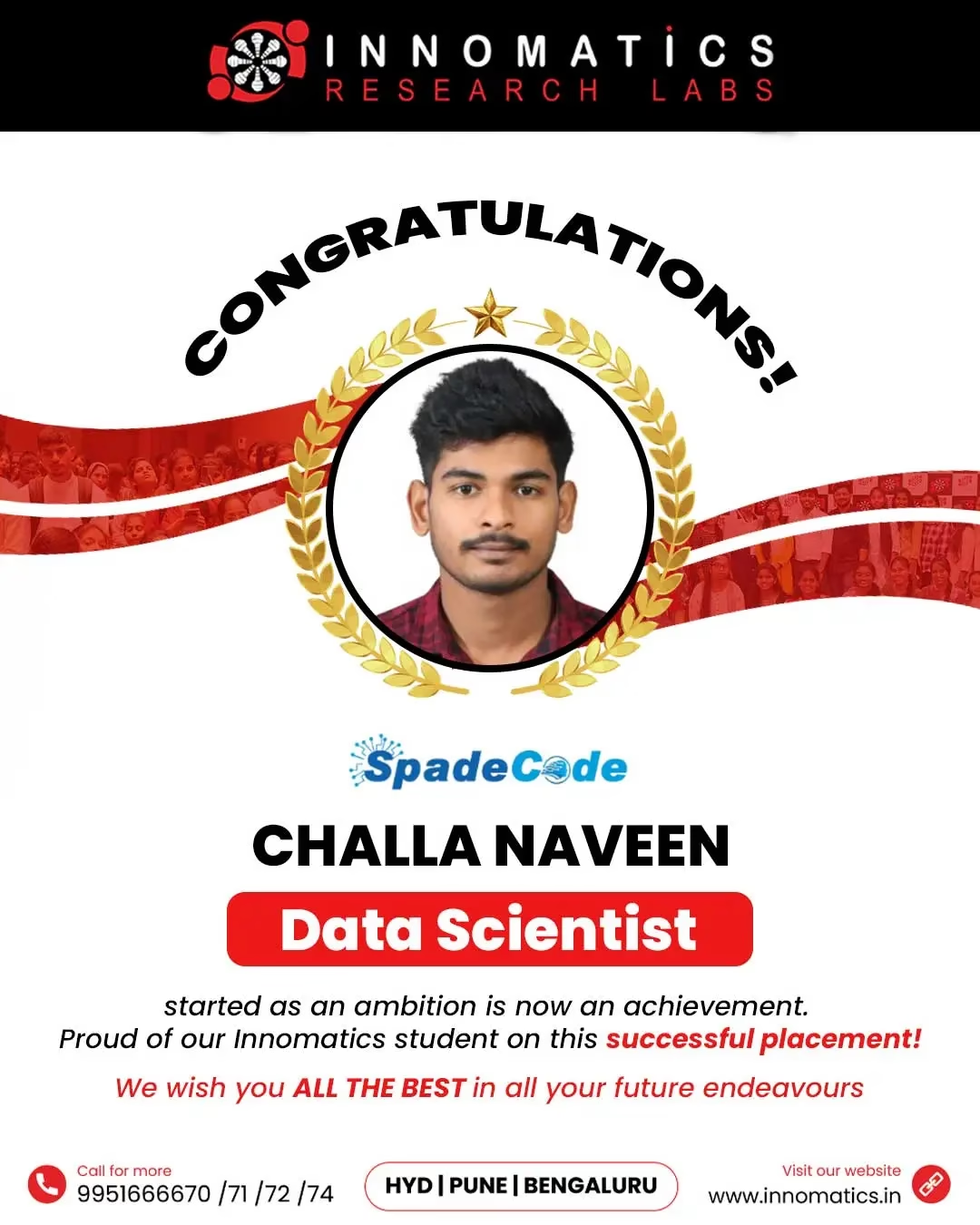
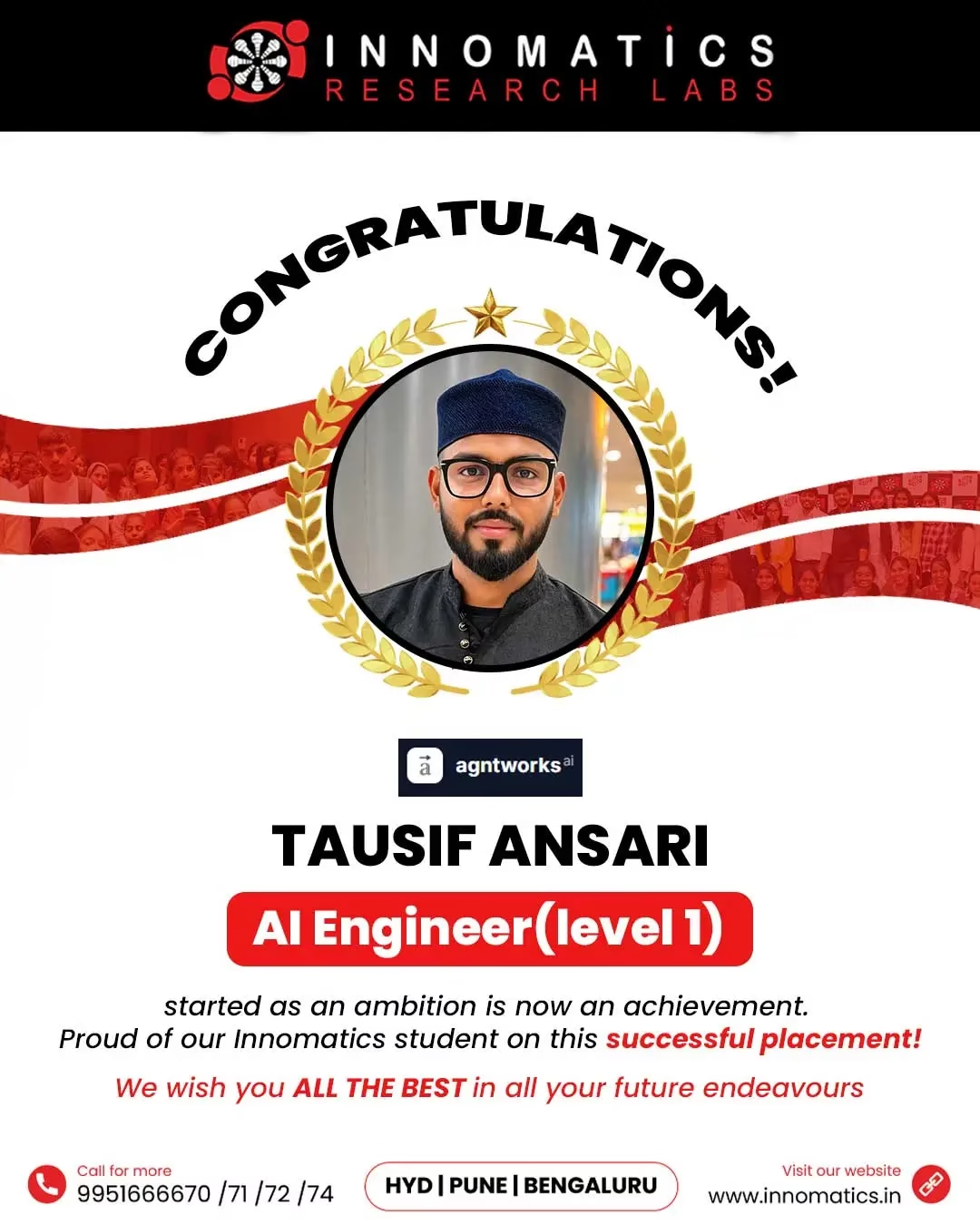
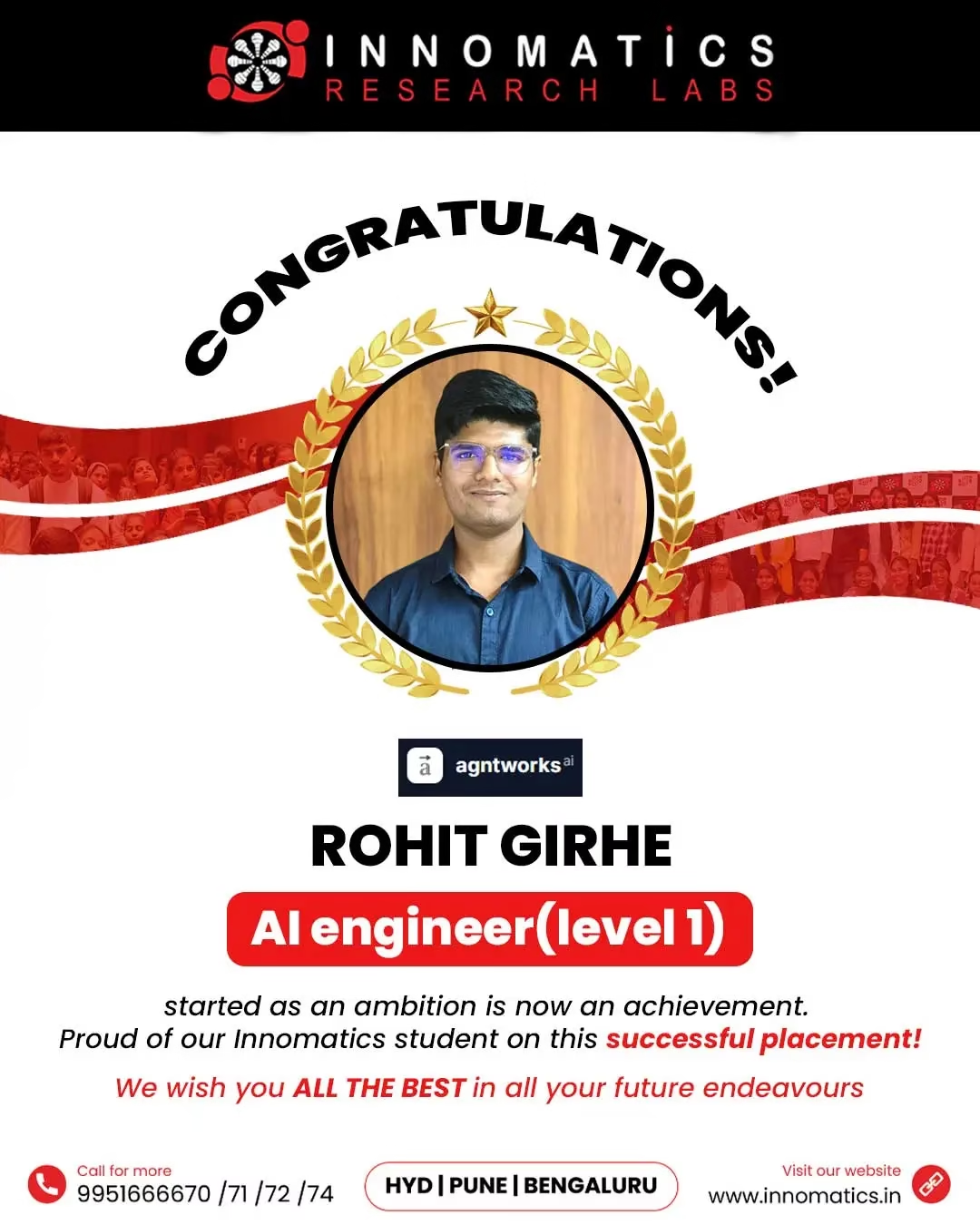
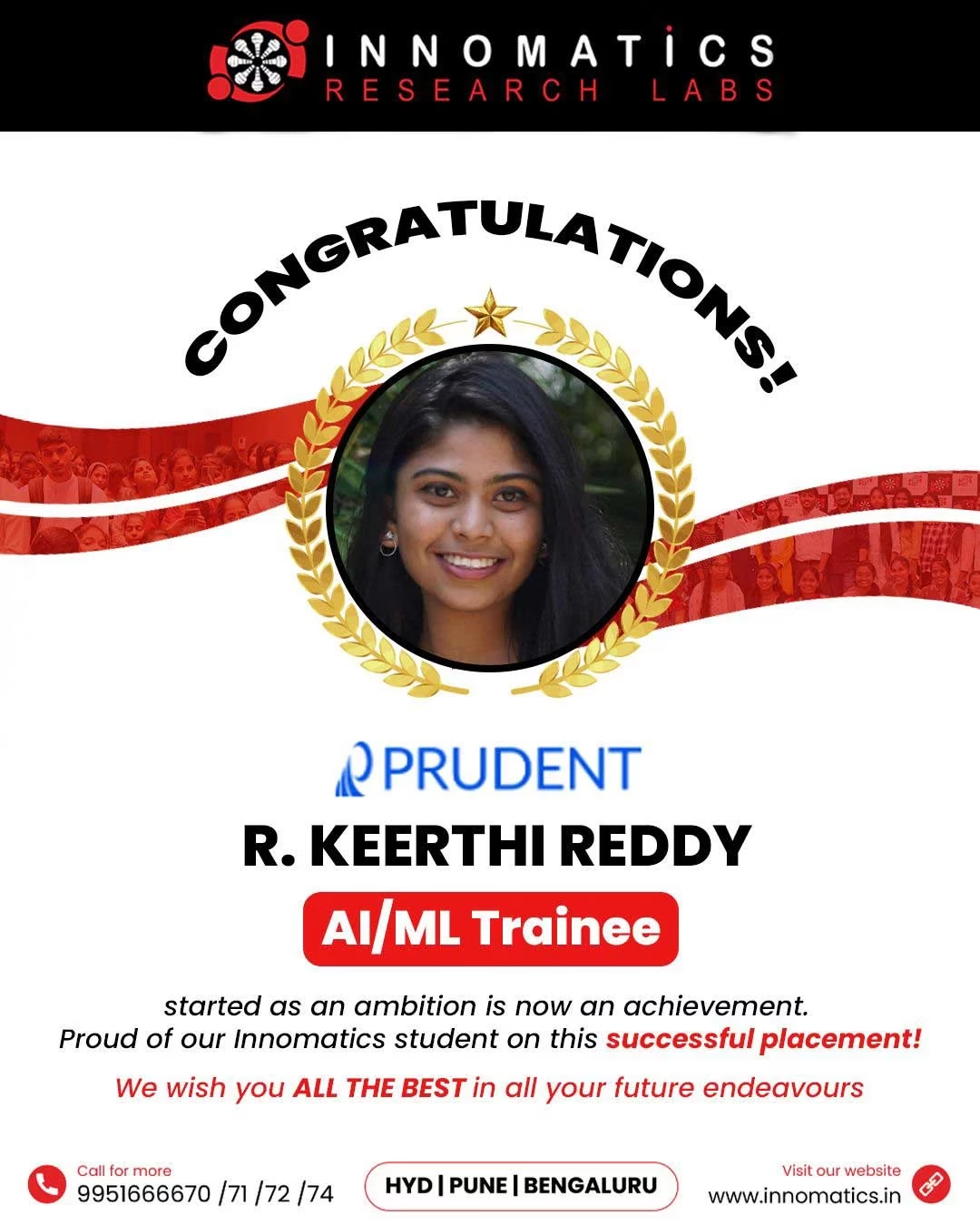
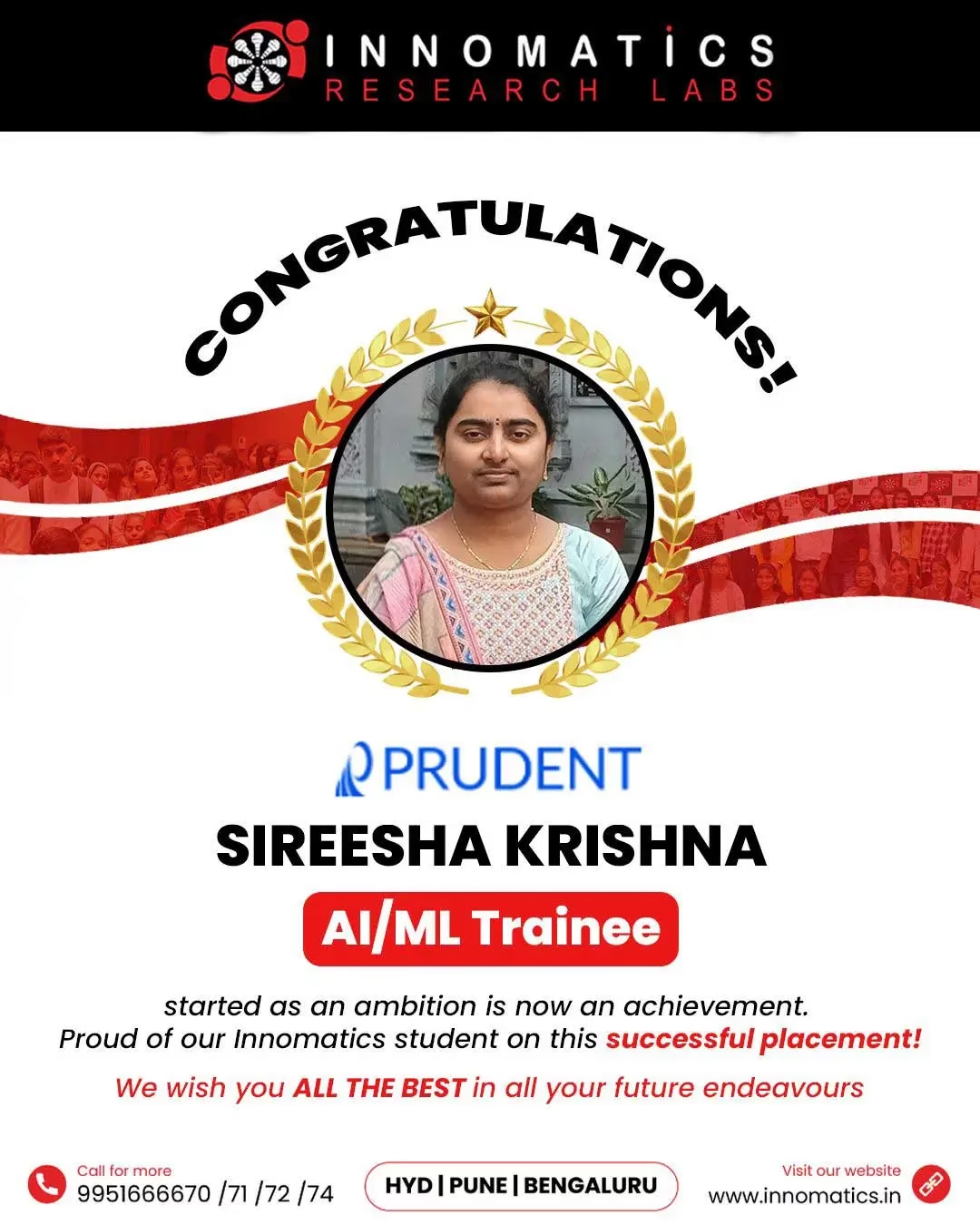
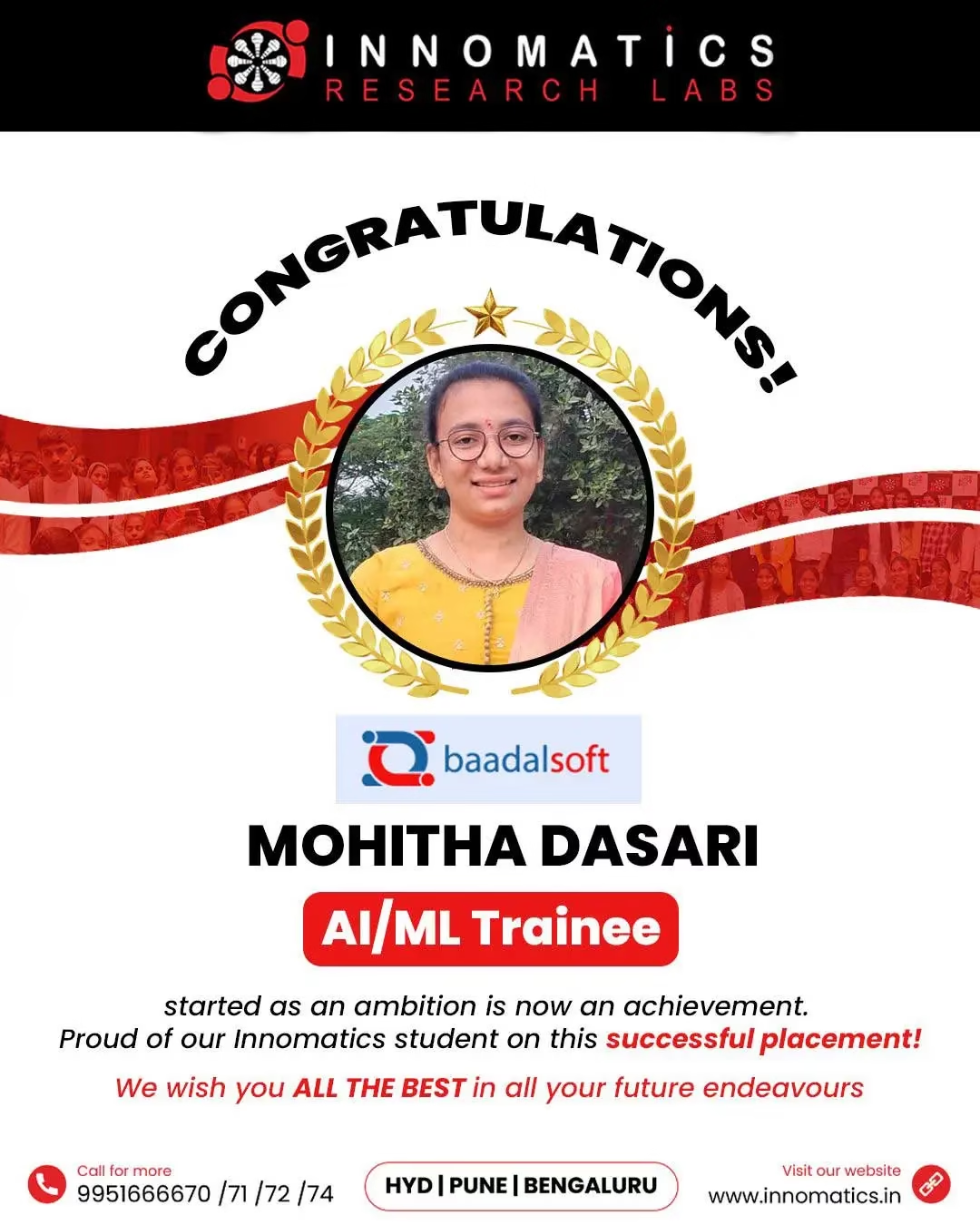
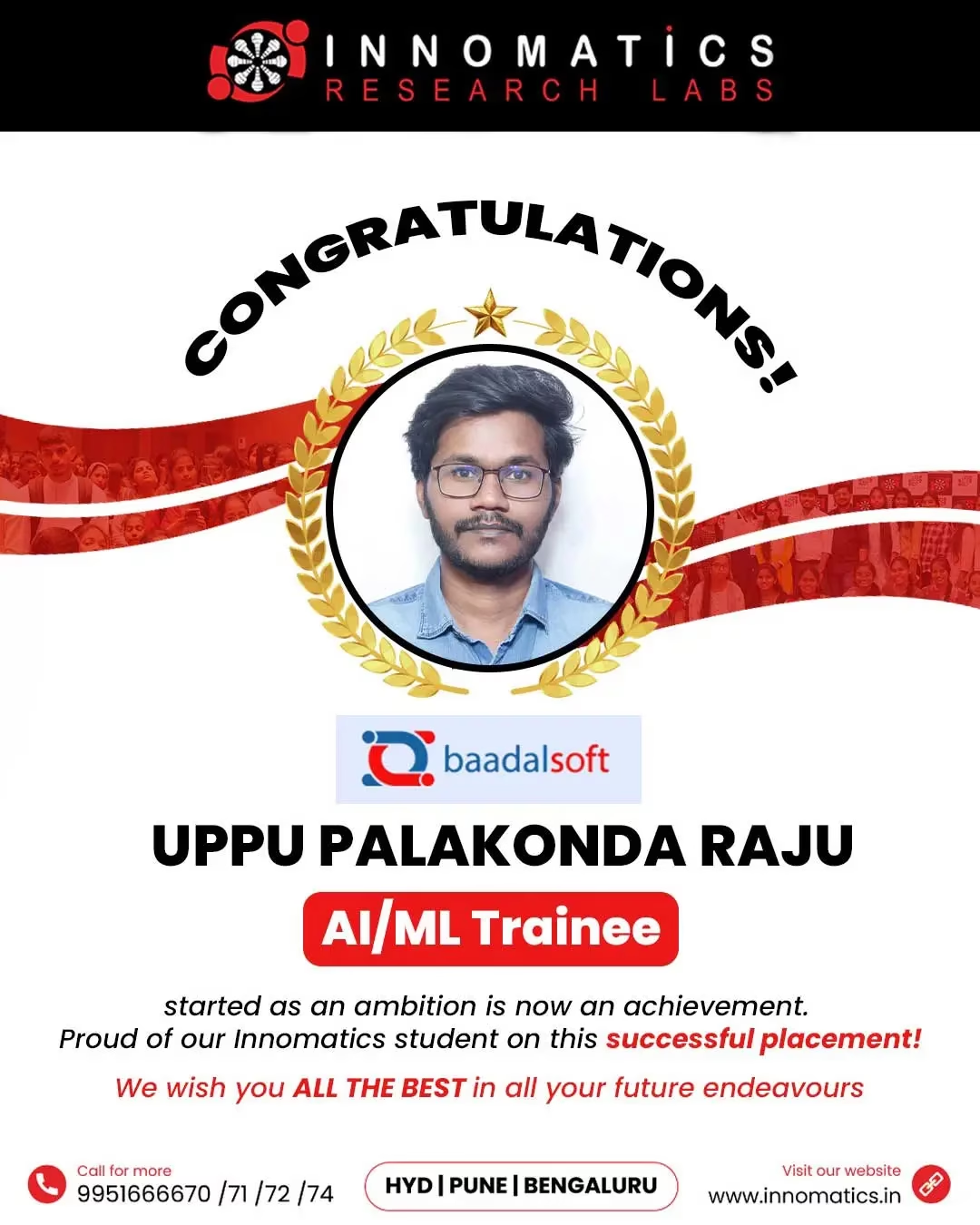
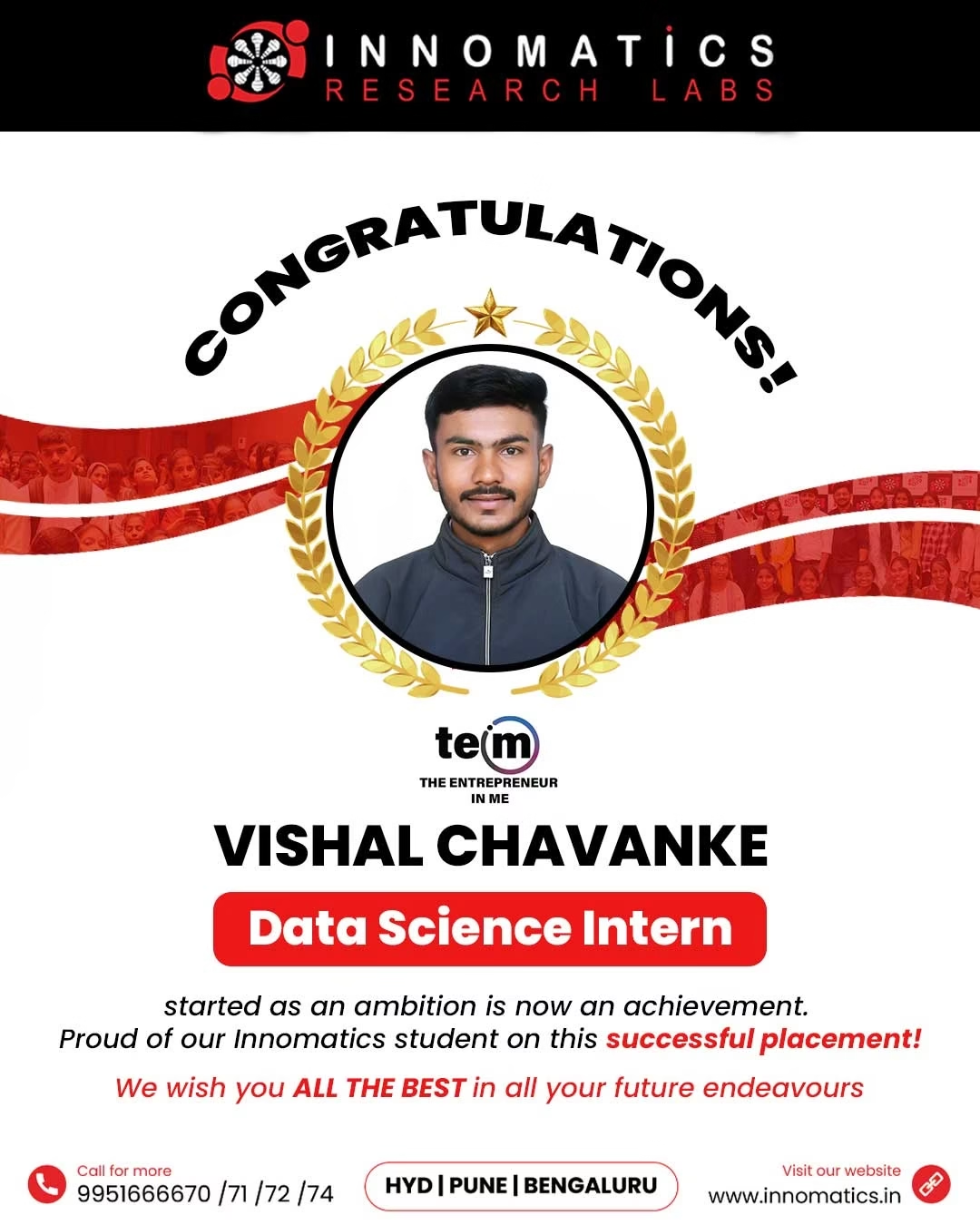

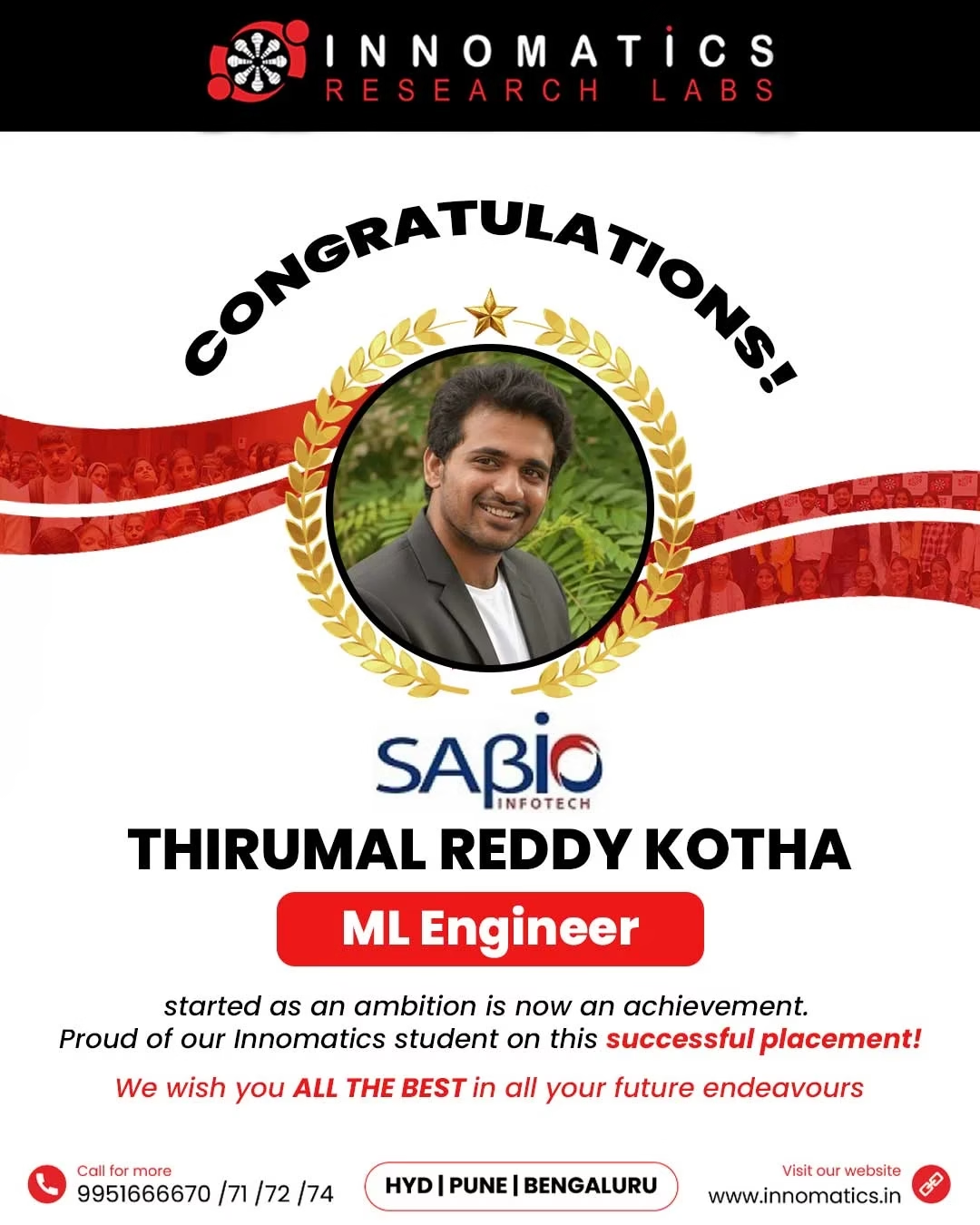
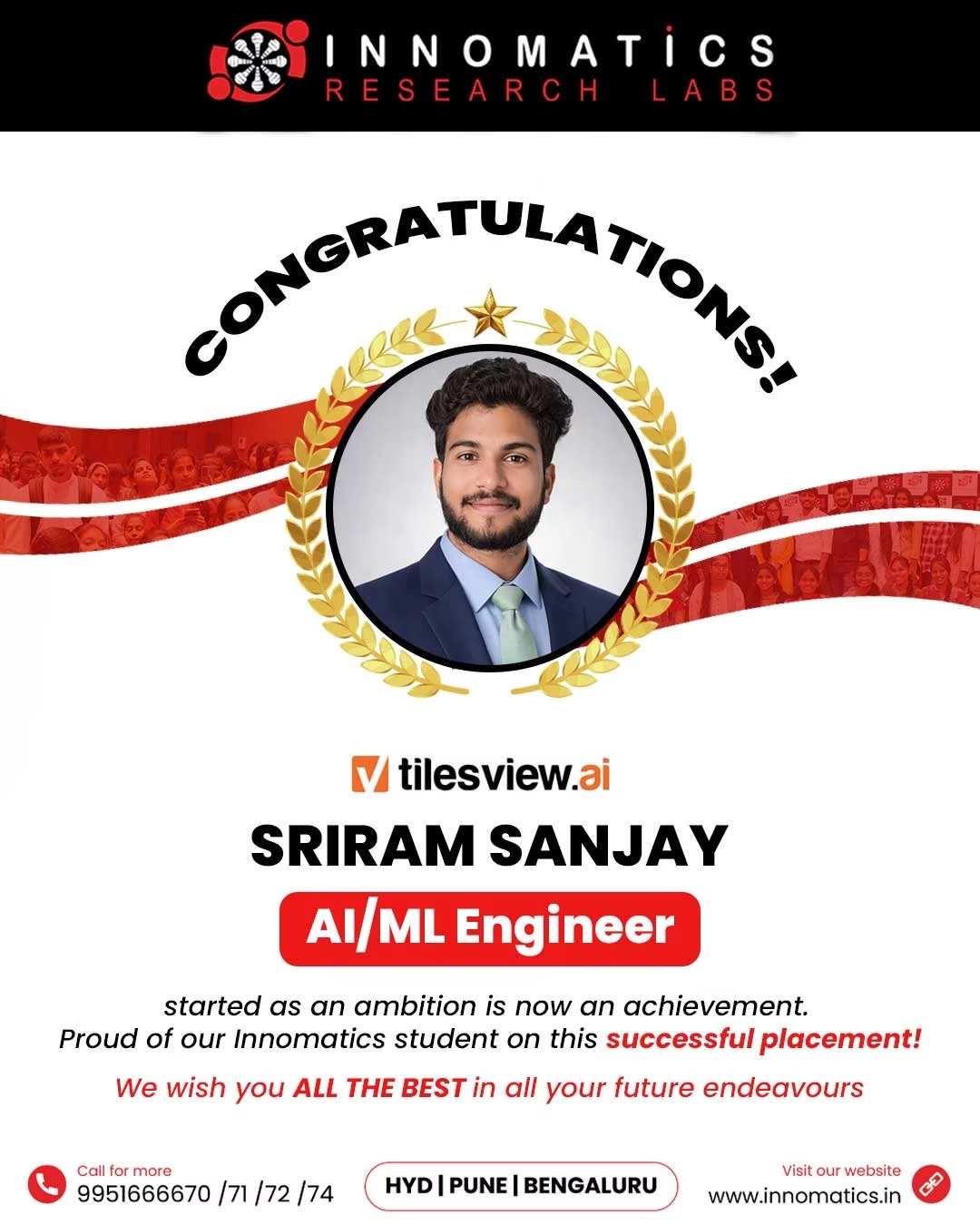
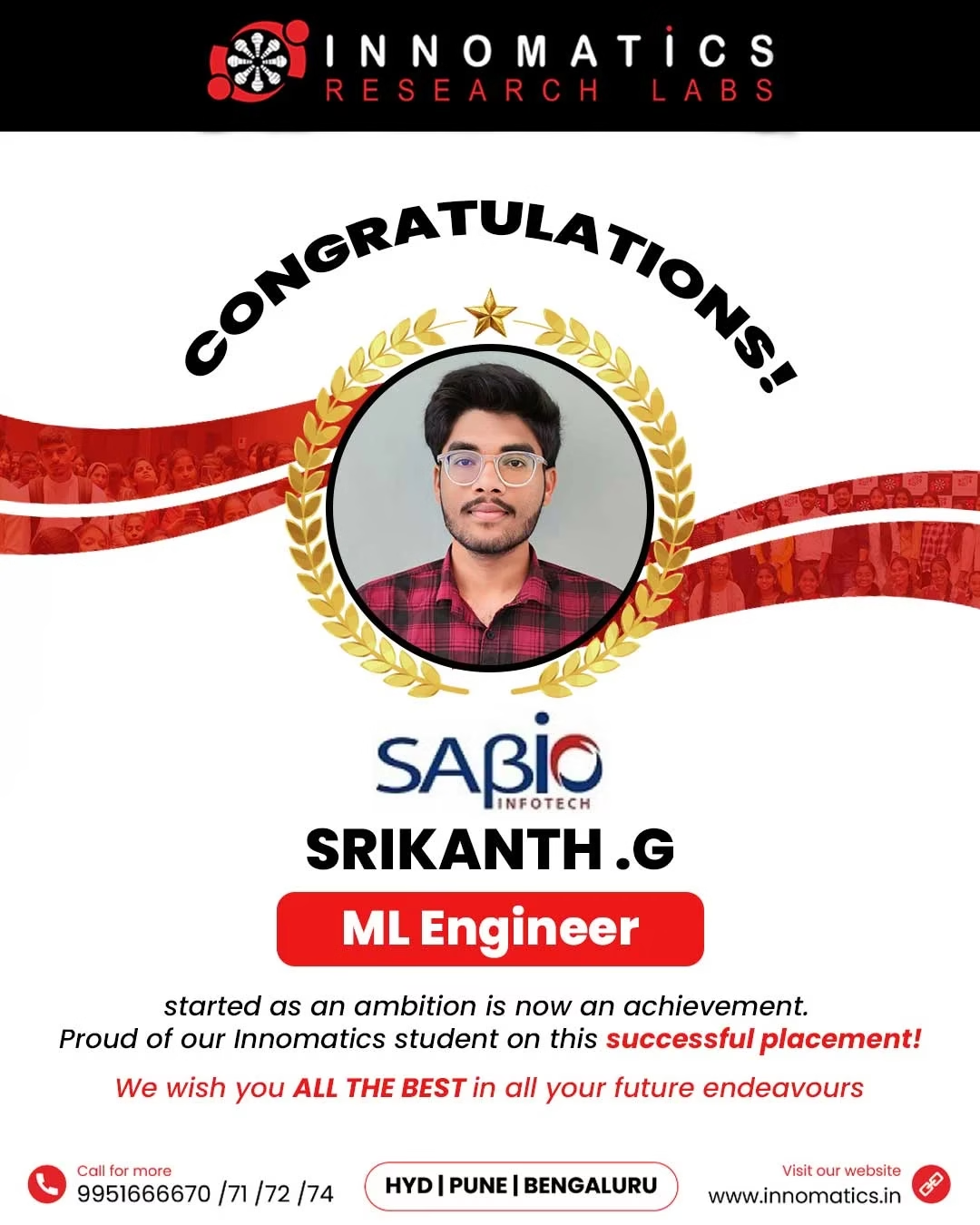

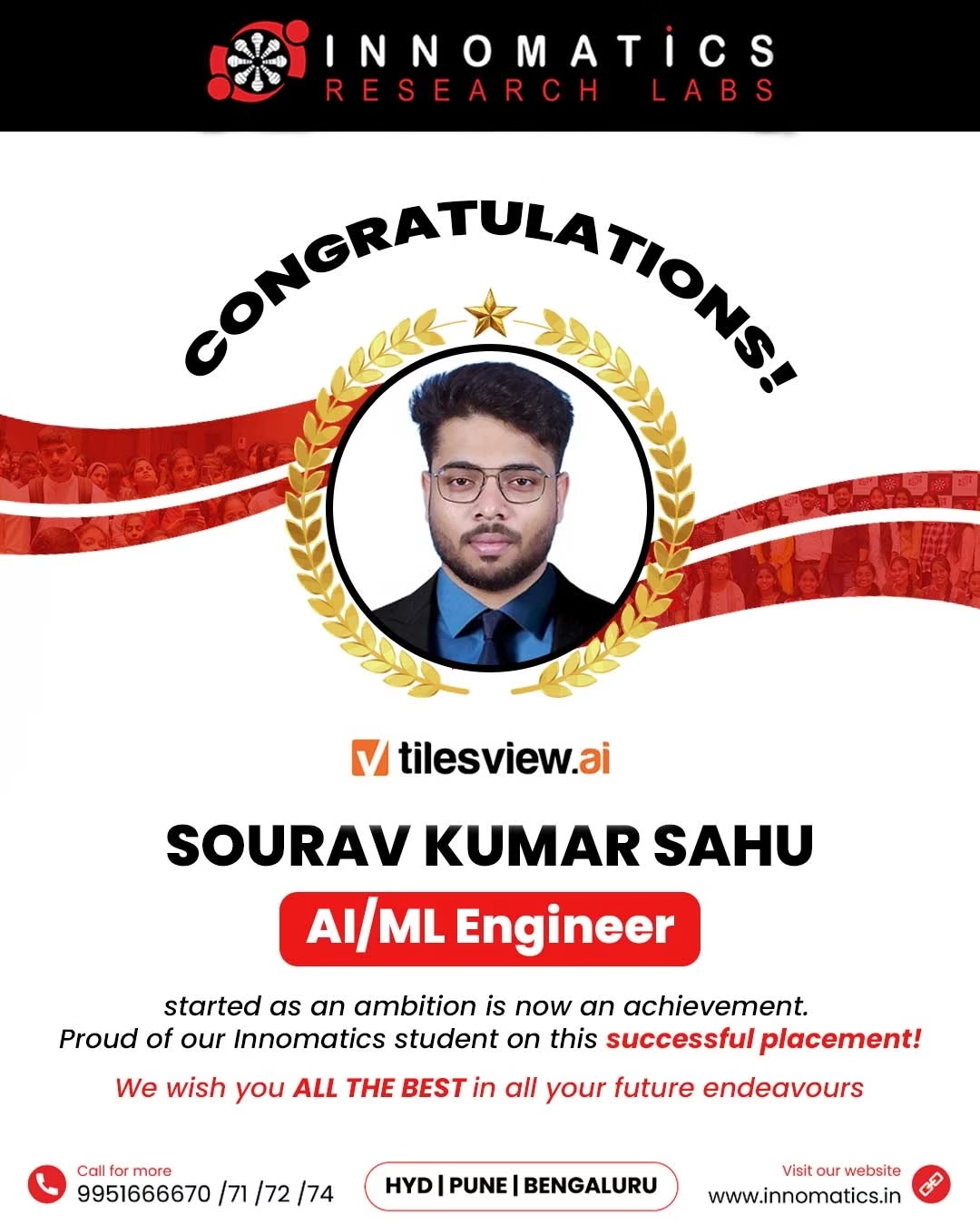

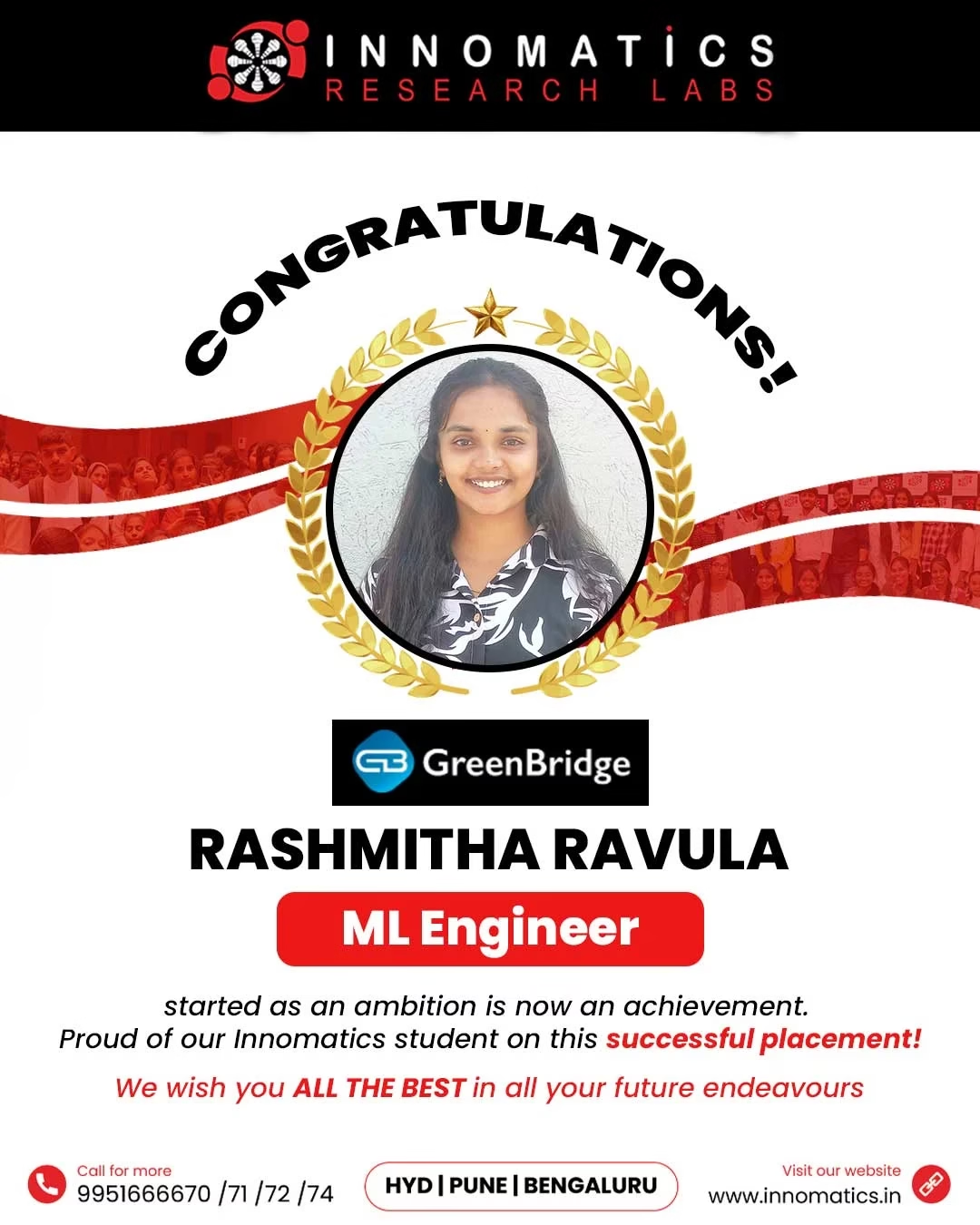
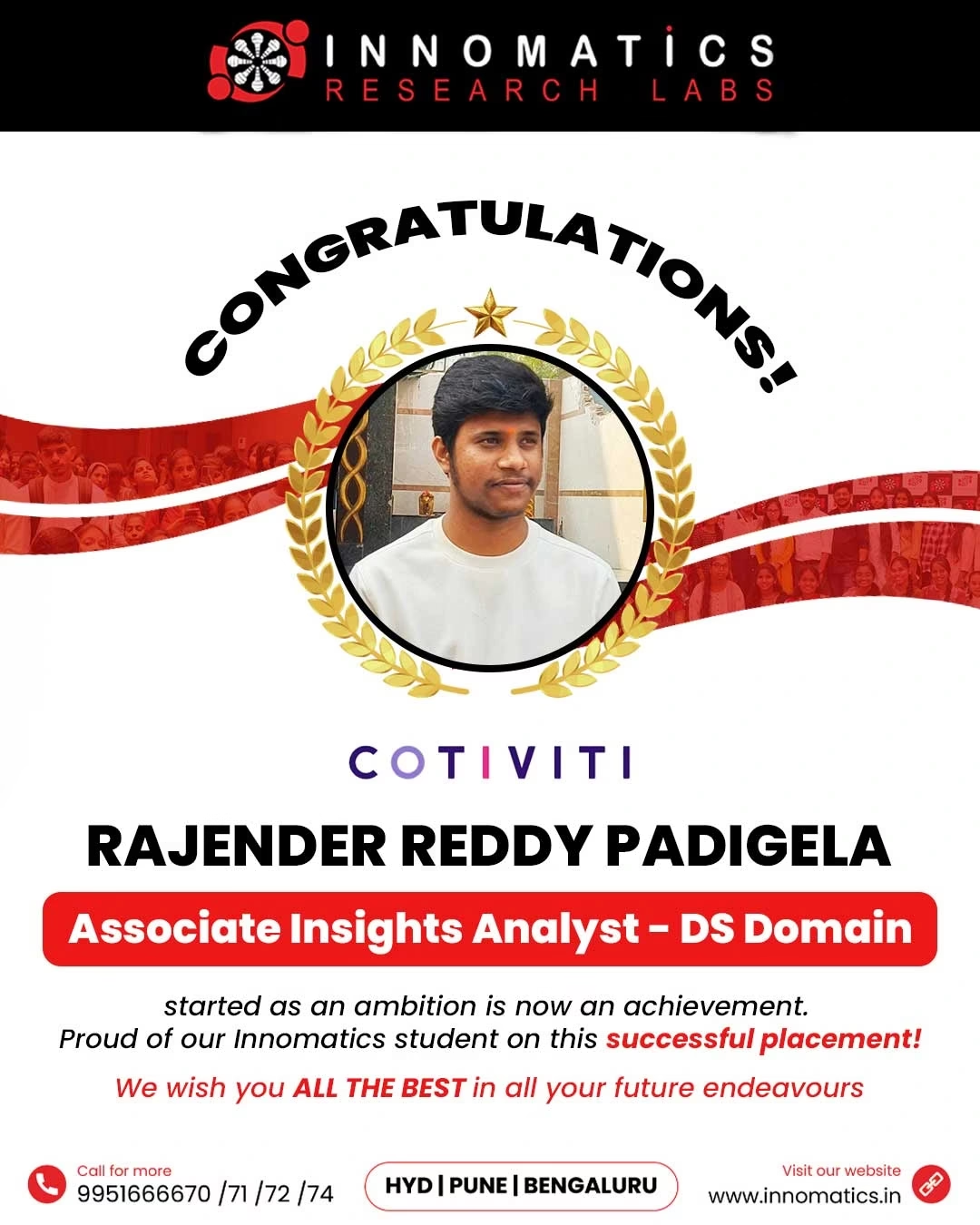
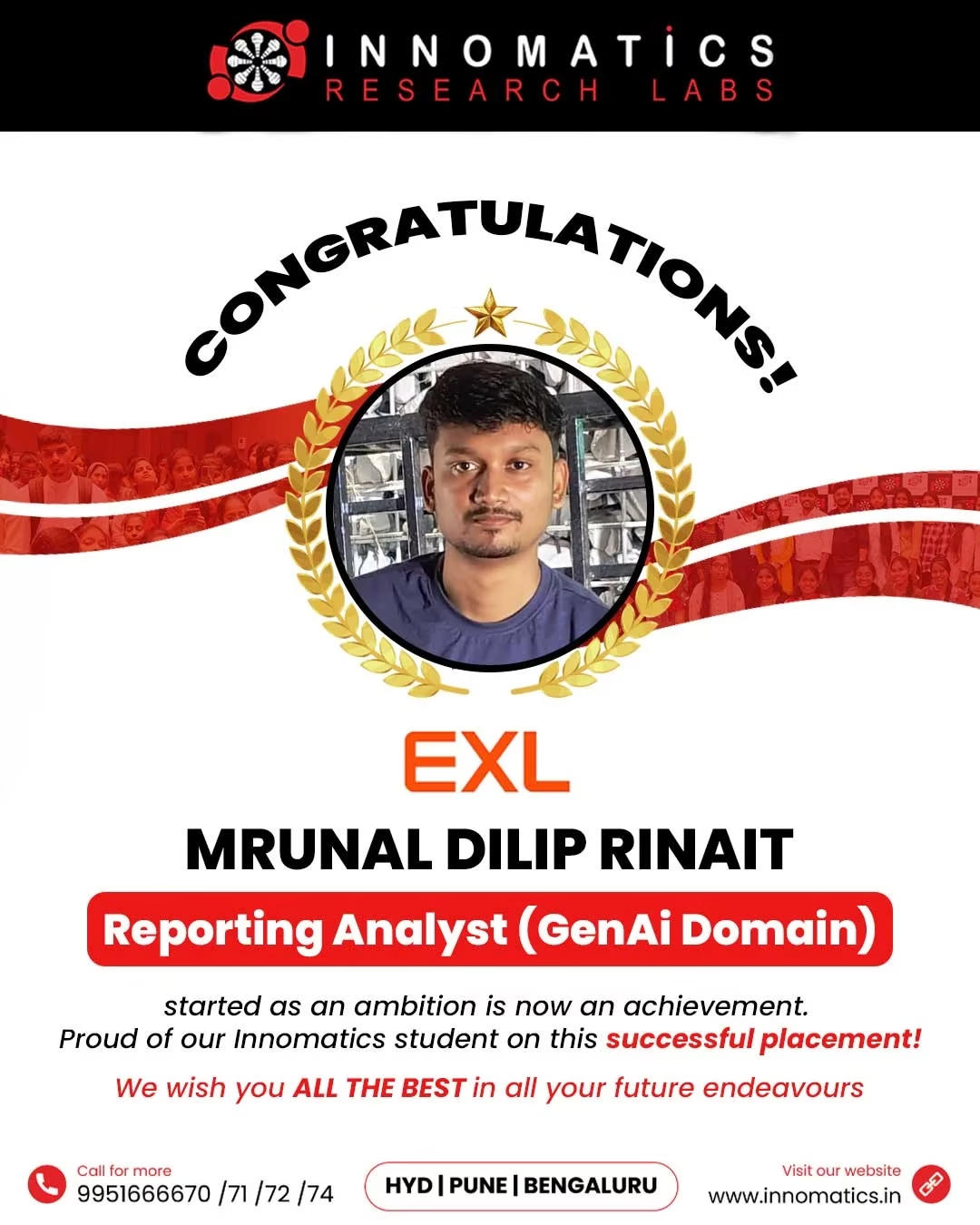
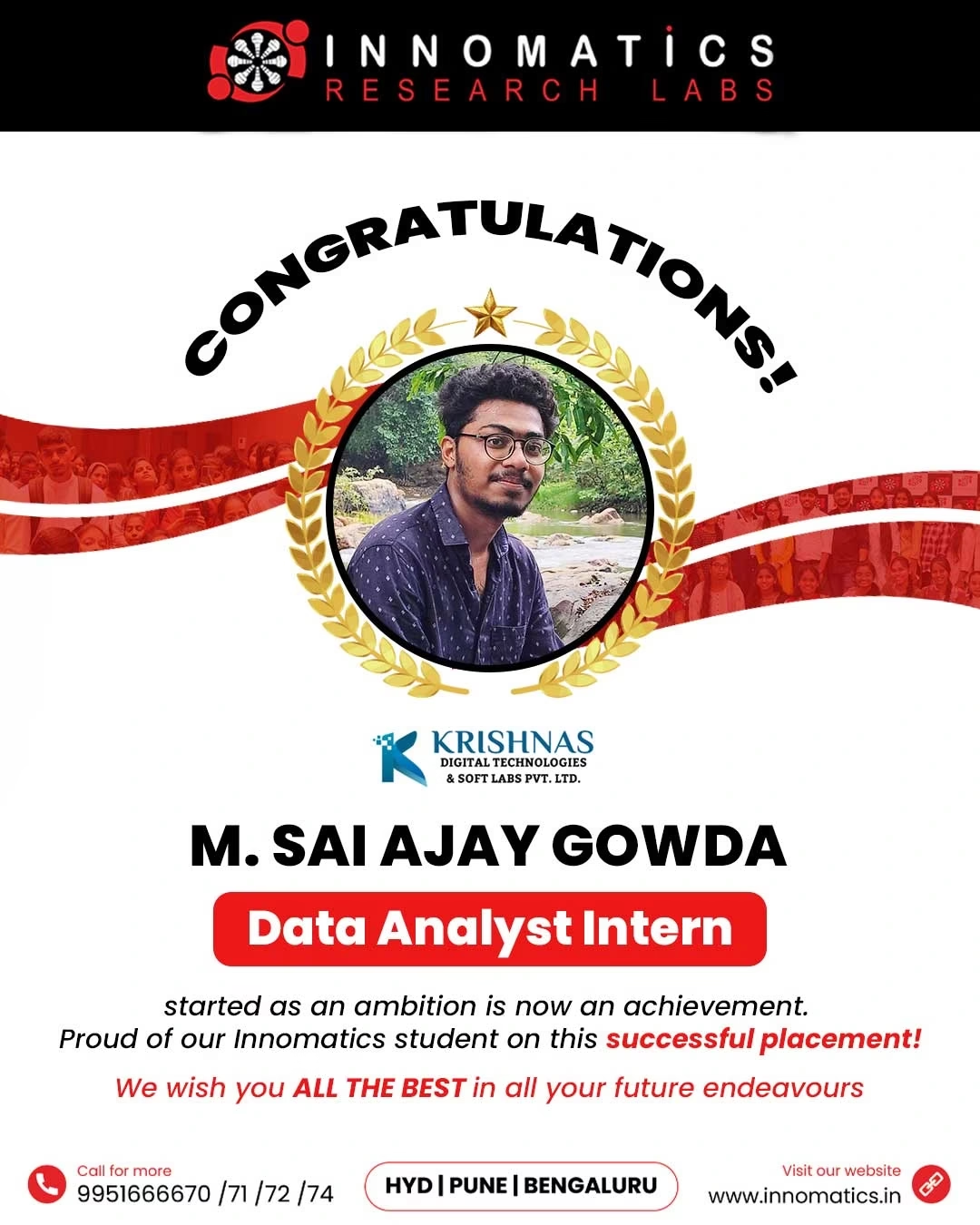
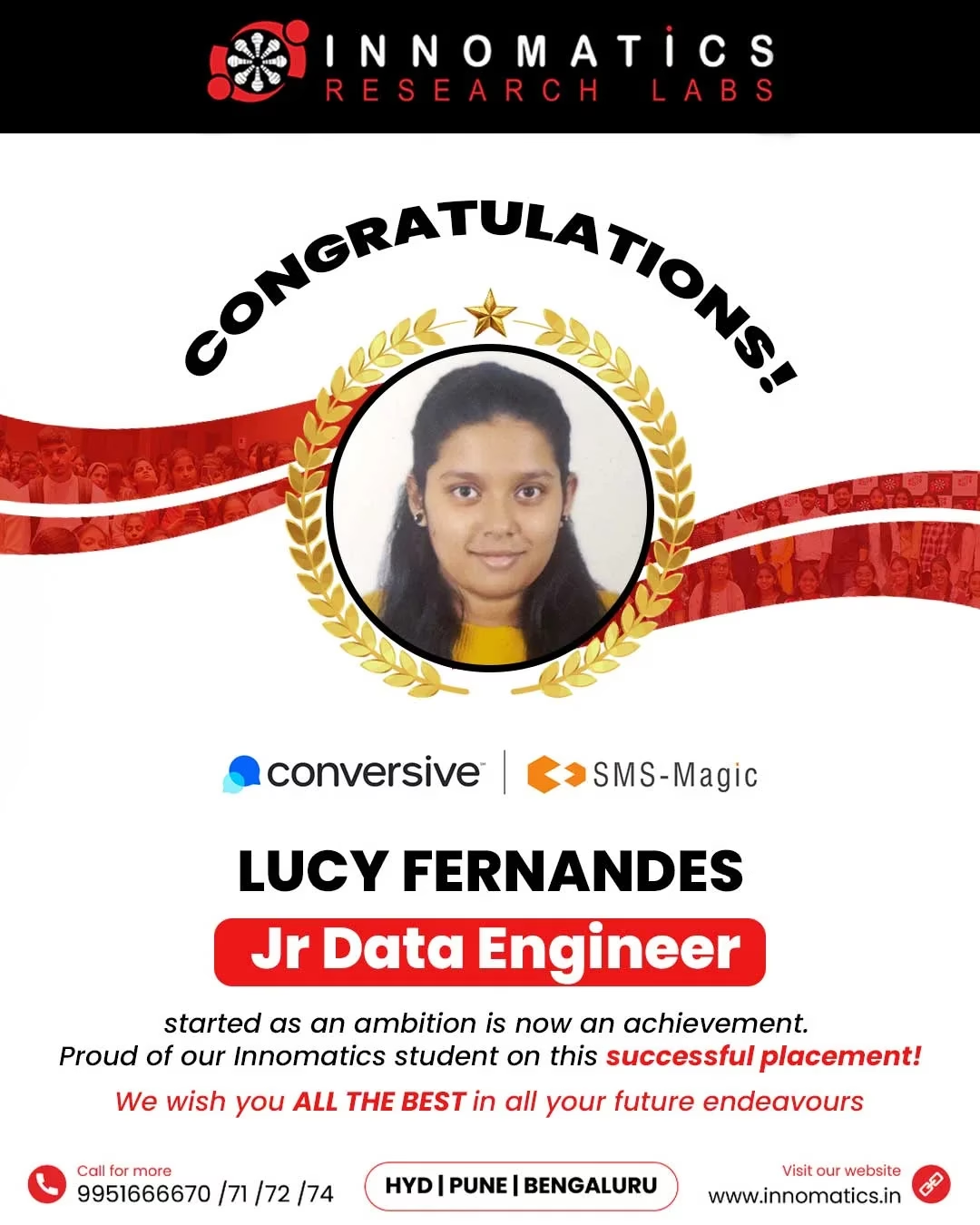
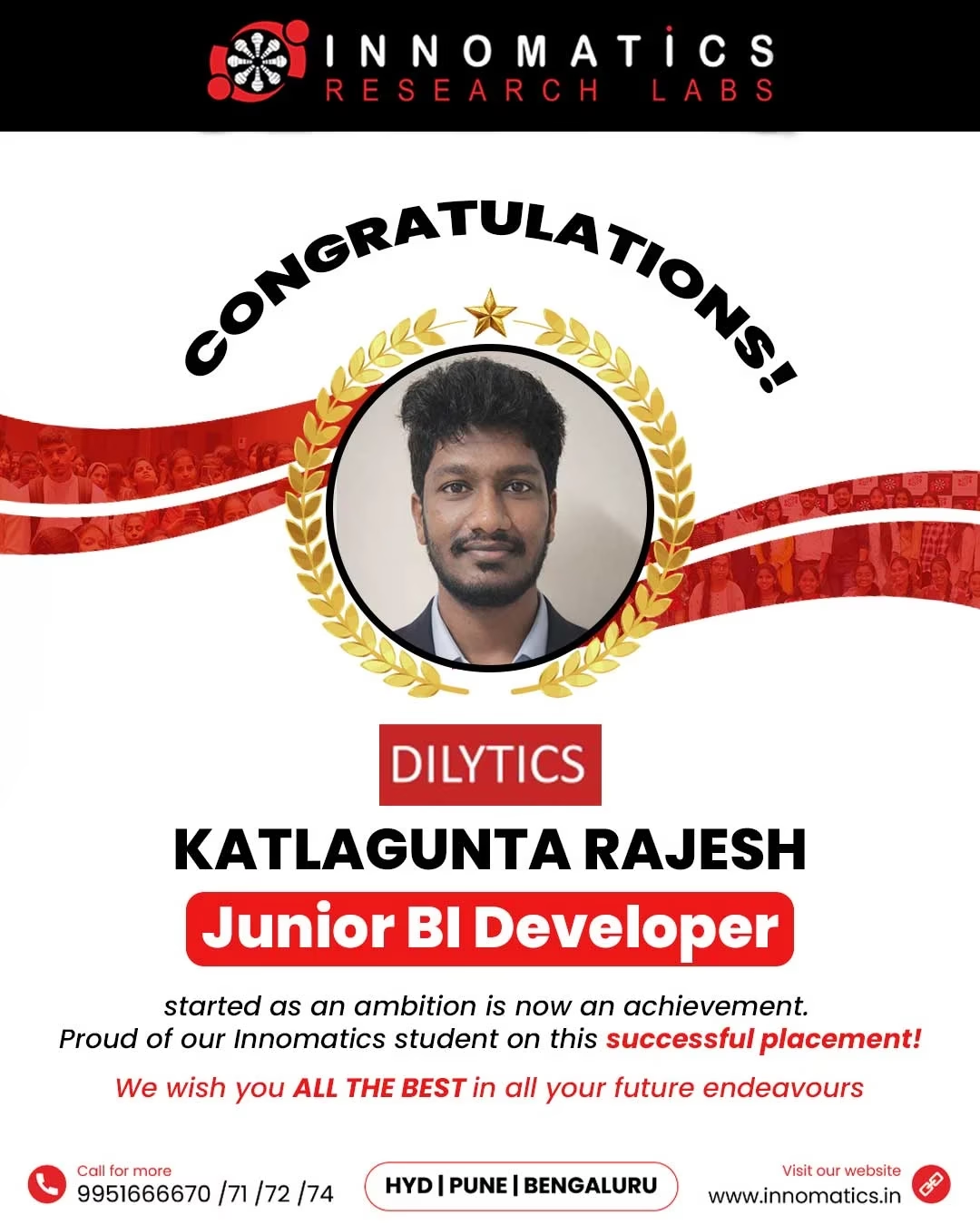

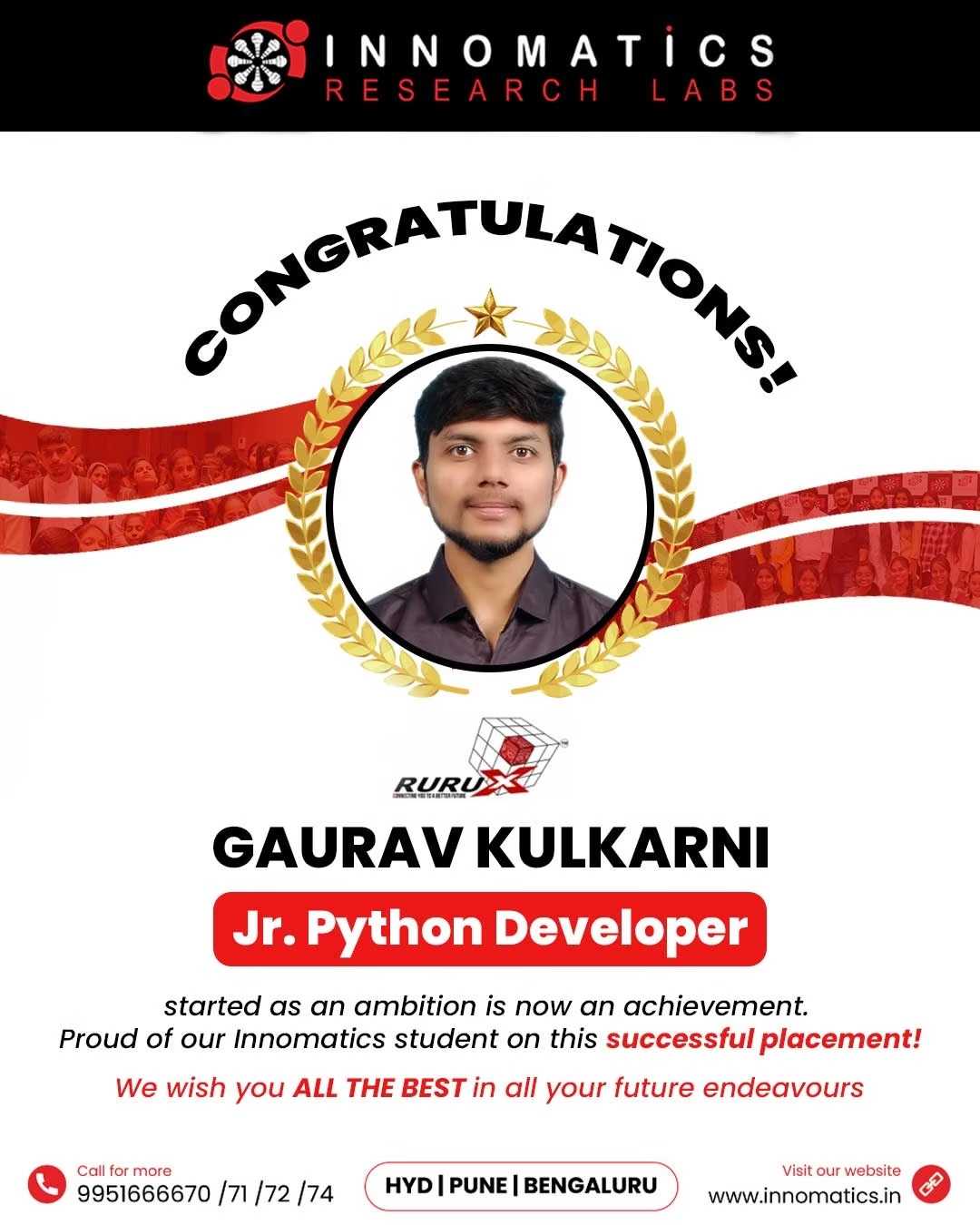
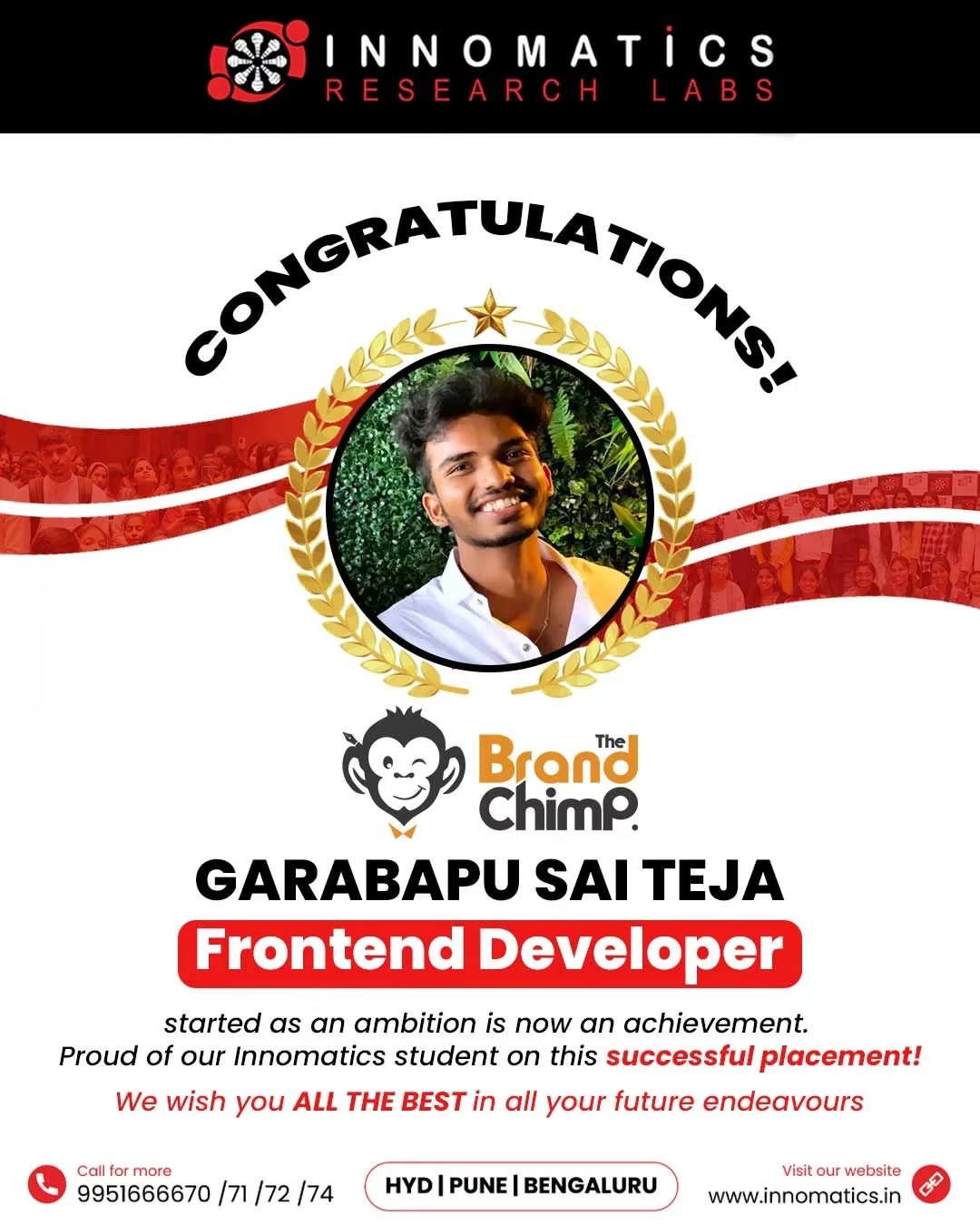
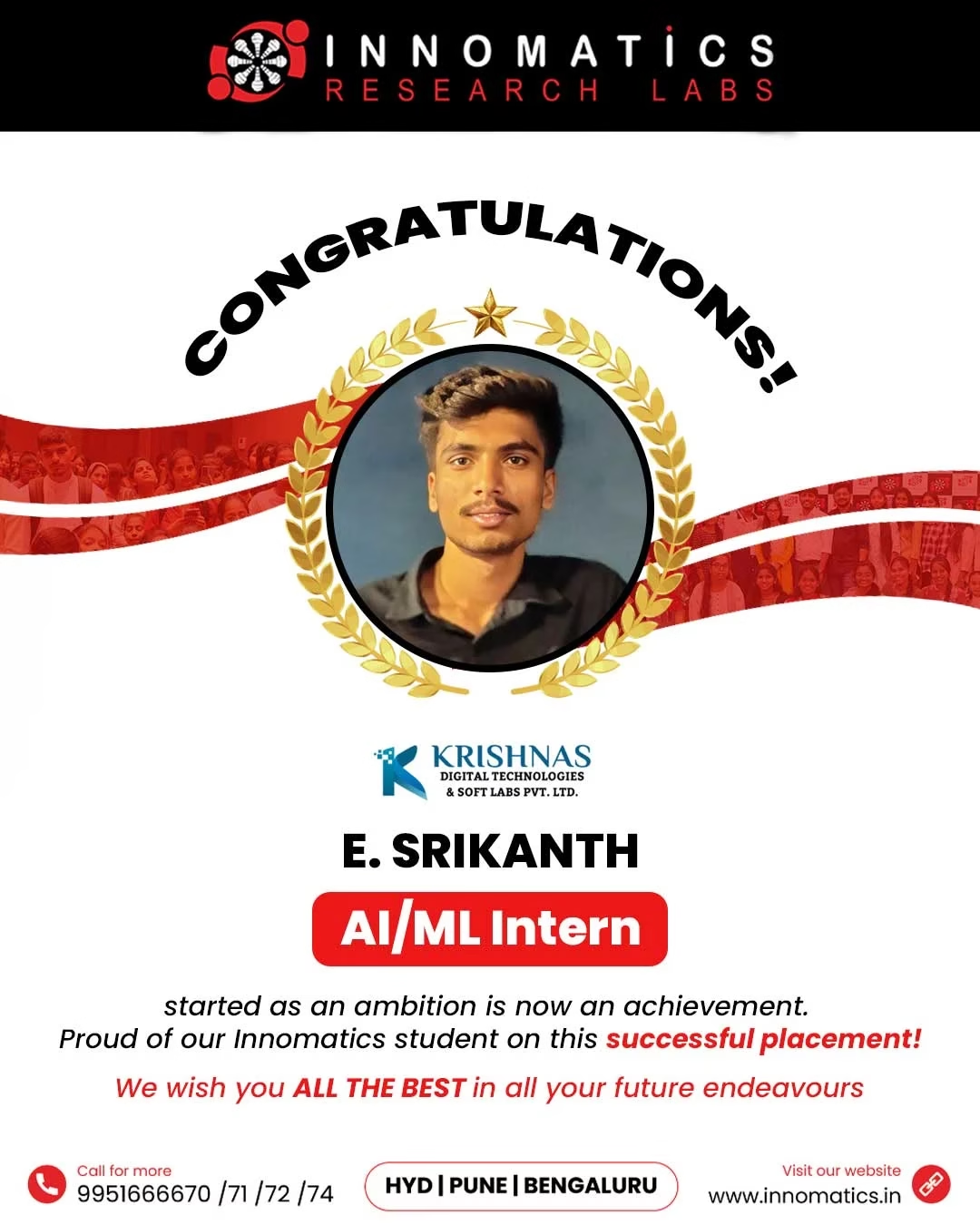
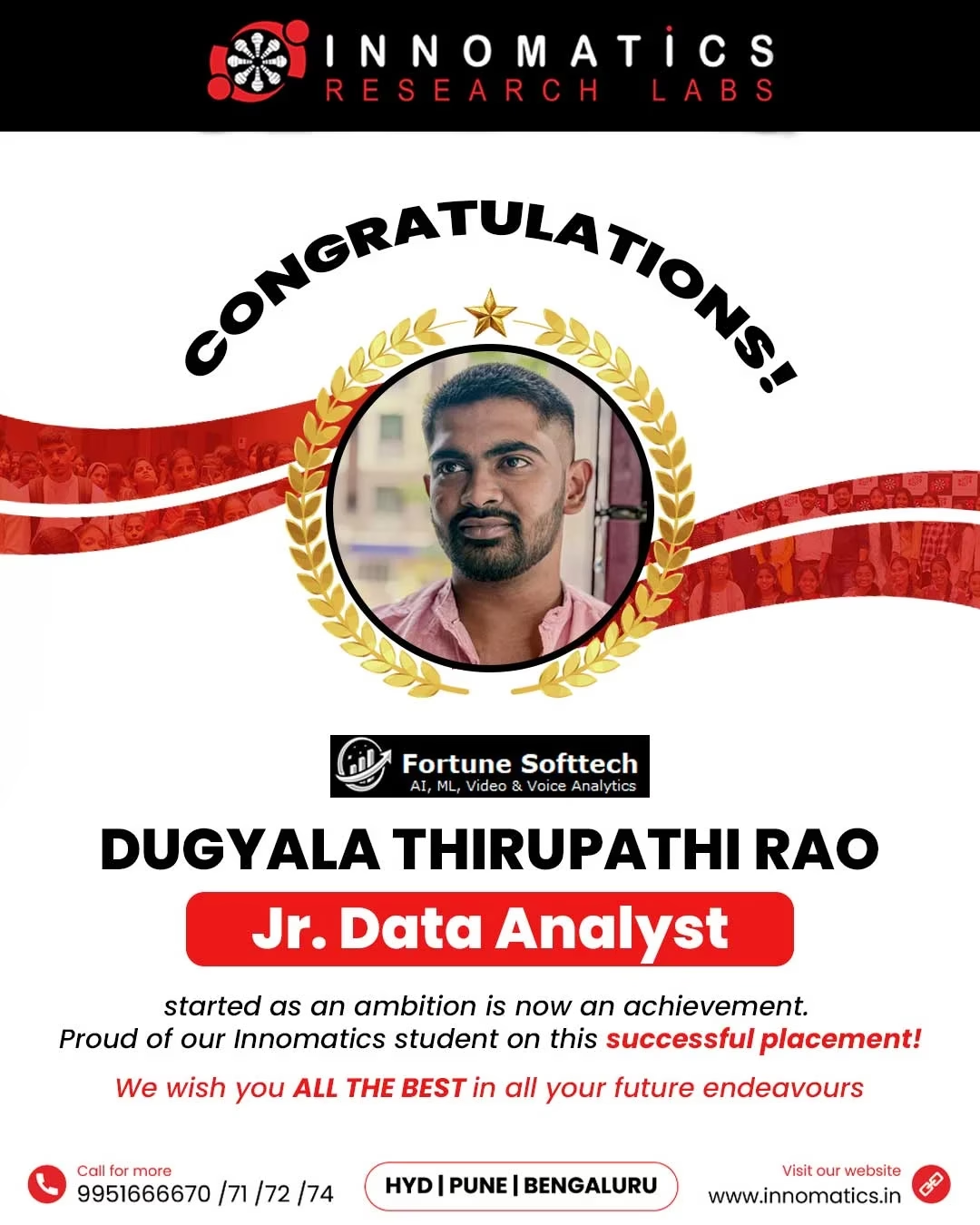
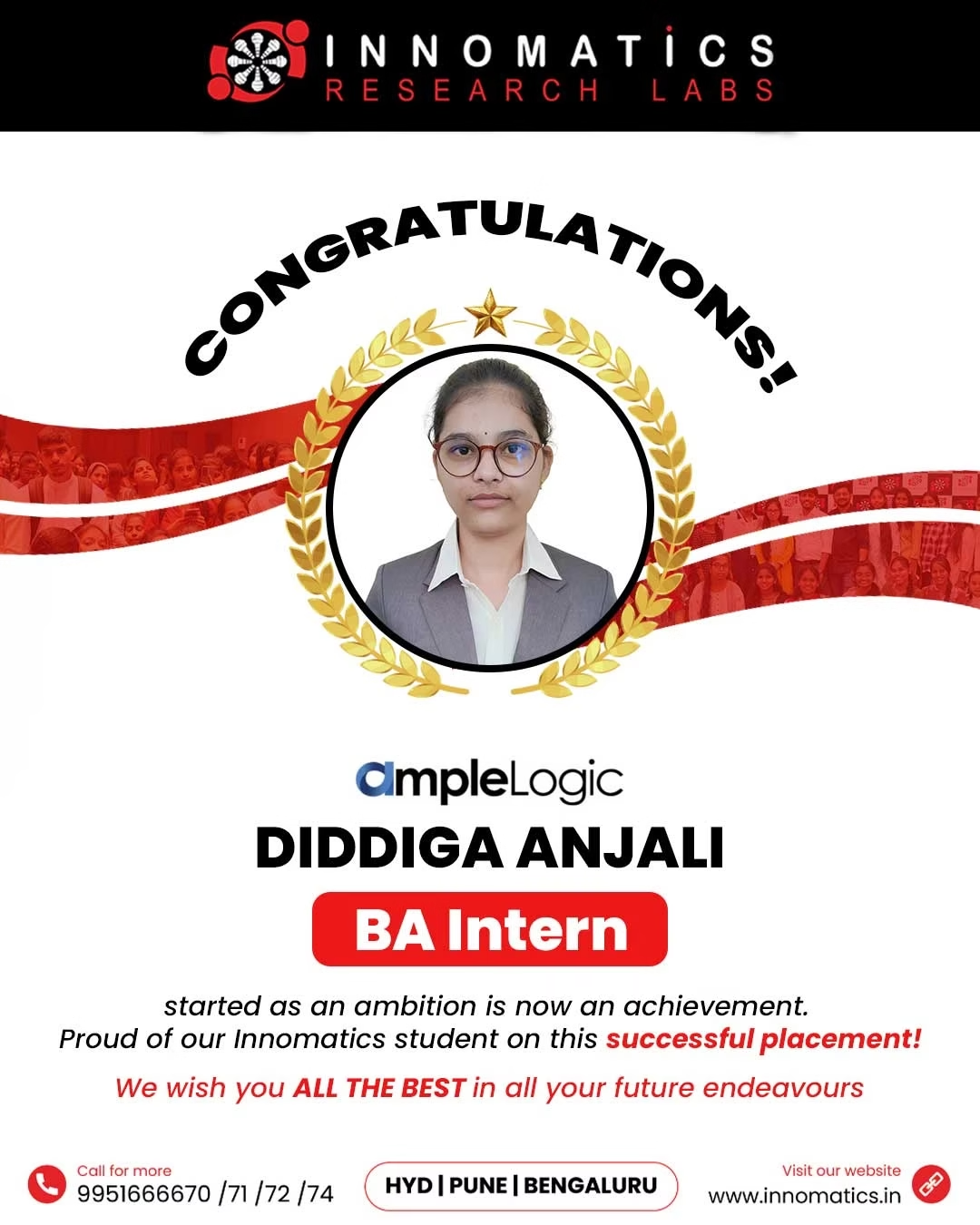

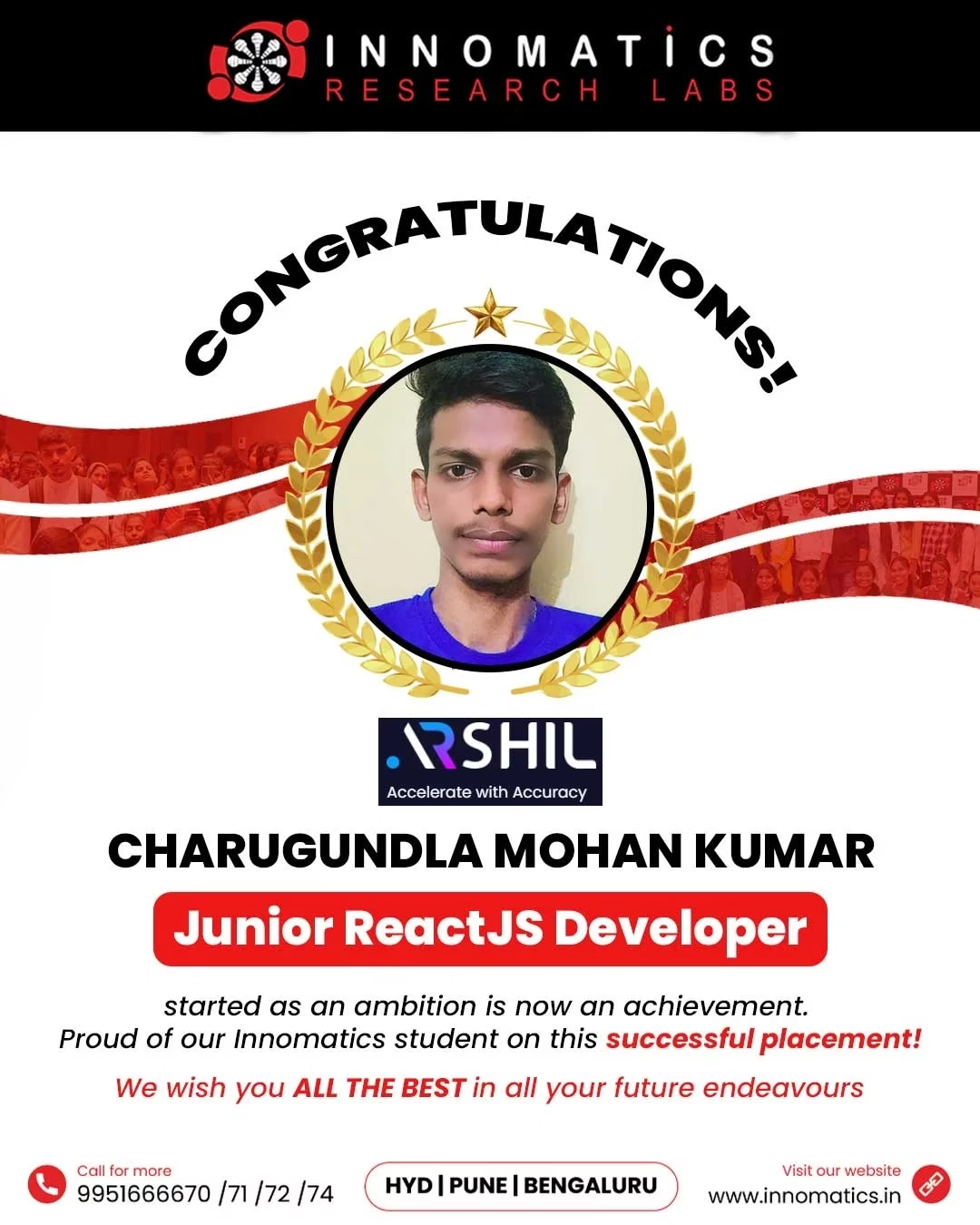

Meet the Success Stories of Our Innomatics
Career Opportunities after the Full Stack Development Course

Mock Interviews & Resume Makeover
Innomatics conducts structured mock interviews and professional resume optimization sessions to help learners present their skills confidently hiring standards.

Project Portfolio Enhancement
Learners at Innomatics build and refine real-world projects that strengthen their portfolios and demonstrate practical full stack expertise to potential employers.

Access to Exclusive Job Portal & Placement Drives
Innomatics provides access to a dedicated job portal and curated placement drives, connecting learners with hiring partners and career opportunities.
This program is right for

Aspiring Software Professionals
This program is ideal for individuals aiming to start a career in full stack development with strong foundations and practical, job-ready technical skills.

Students & Recent Graduates
Designed for students and fresh graduates seeking industry-oriented training, hands-on projects, and structured guidance to enter the tech workforce confidently.

Working Professionals Upskilling
Suitable for professionals looking to upgrade their technical skill set and transition into full stack roles through flexible, industry-aligned learning paths.

Career Switchers into Technology
Perfect for non-IT or career-changing individuals who want a guided, practical approach to learning MERN or Python full stack development from scratch.
Career Opportunities after the Full Stack Development Course
$28.36 billion
growth of the AI market by 2030
20 million
new AI-related roles by 2026
₹500 billion
GDP growth of India by 2026
Full Stack Web Developer
Frontend Developer
Backend Developer
Software Engineer
Web Application Developer
JavaScript Developer
Python Full Stack Developer
API Integration Engineer
Cloud Engineer
Technical Consultant
Career Opportunities after the Full Stack Development Course
Full Stack Web Developer
Frontend Developer
Backend Developer
Software Engineer
Web Application Developer
JavaScript Developer
Python Full Stack Developer
API Integration Engineer
Cloud Engineer
Technical Consultant
$28.36 billion
growth of the AI market by 2030
20 million
new AI-related roles by 2026
₹500 billion
GDP growth of India by 2026
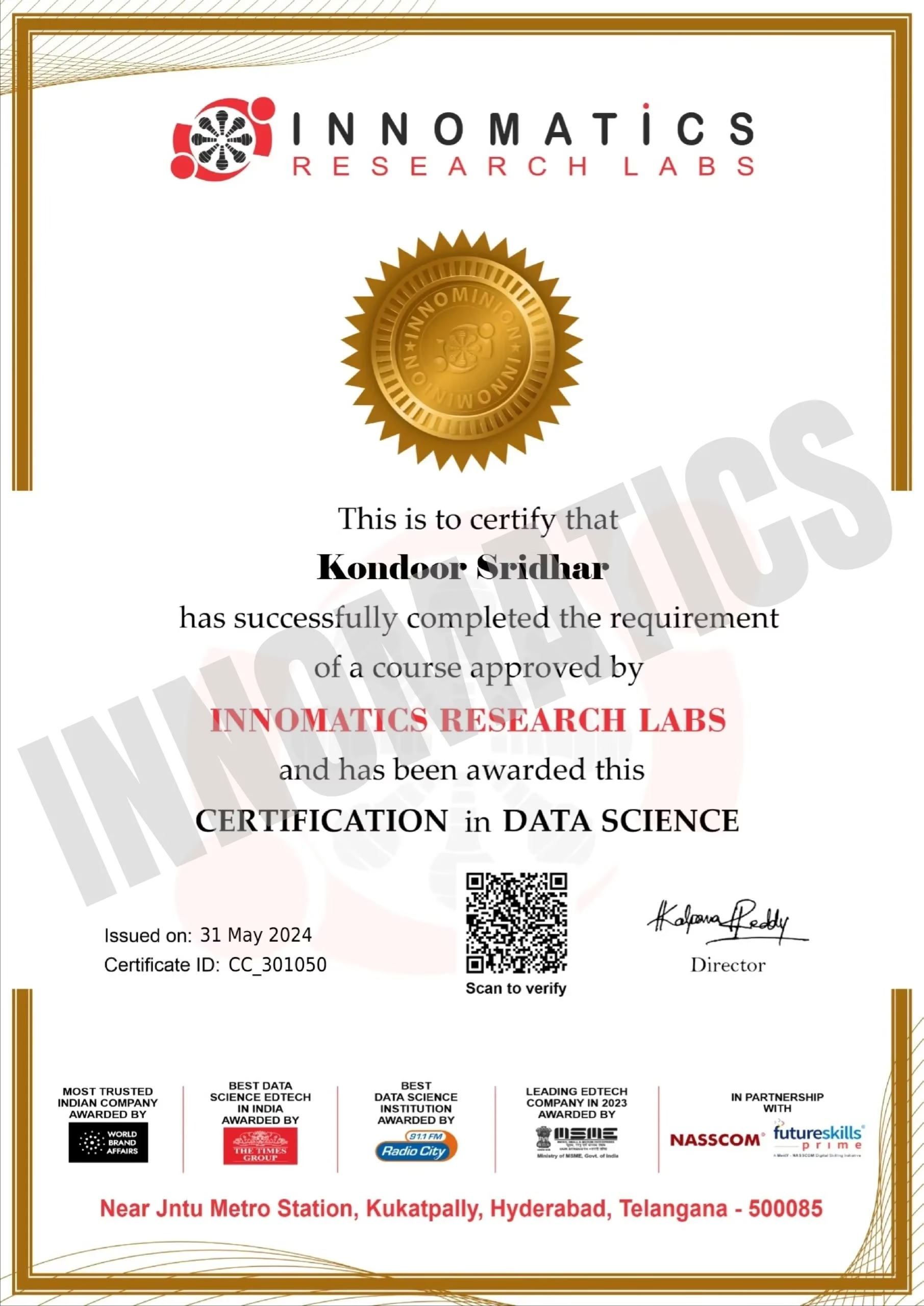
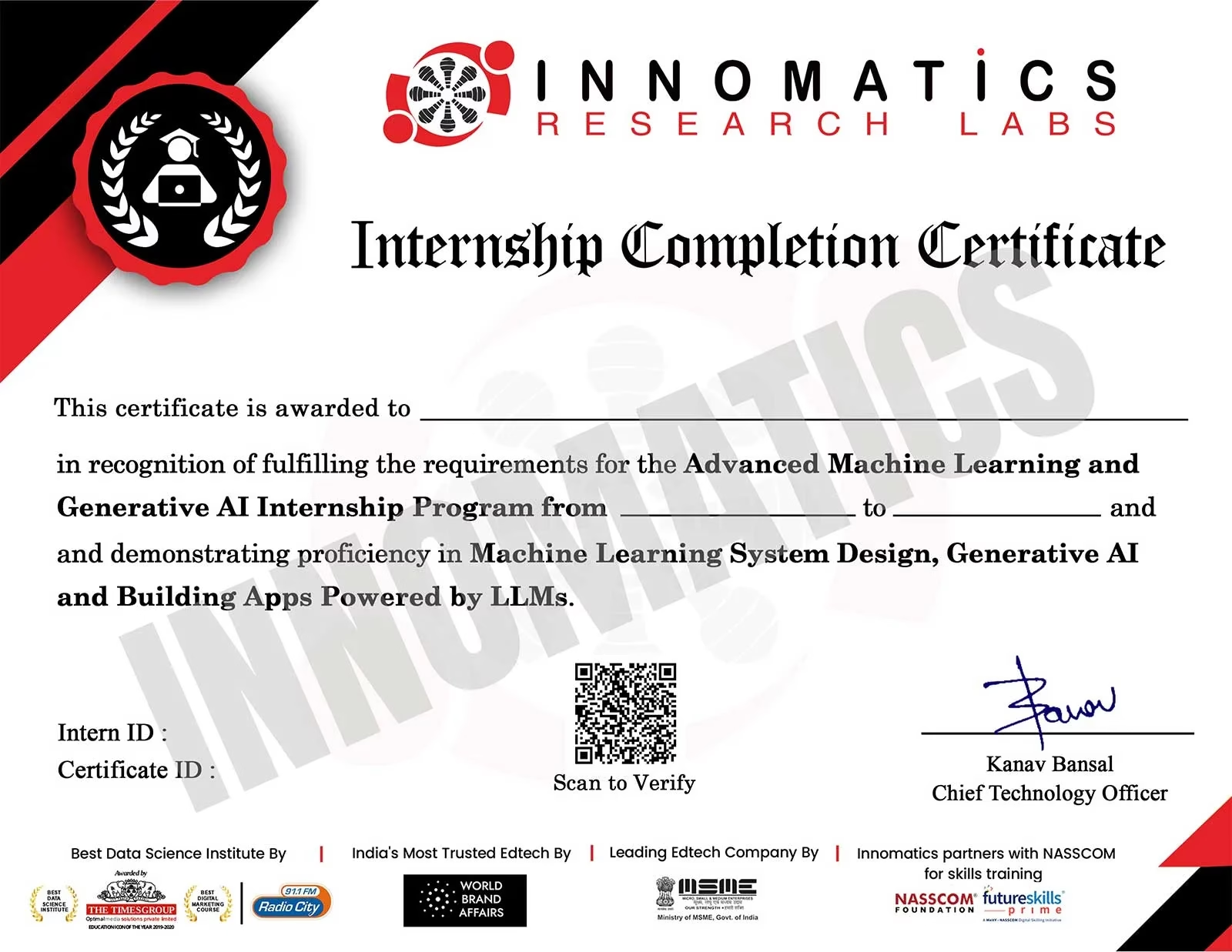
Industry-Recognized Certification’s
Course Completion Certificate
Internship Certificate
Interview Preparation Certificate